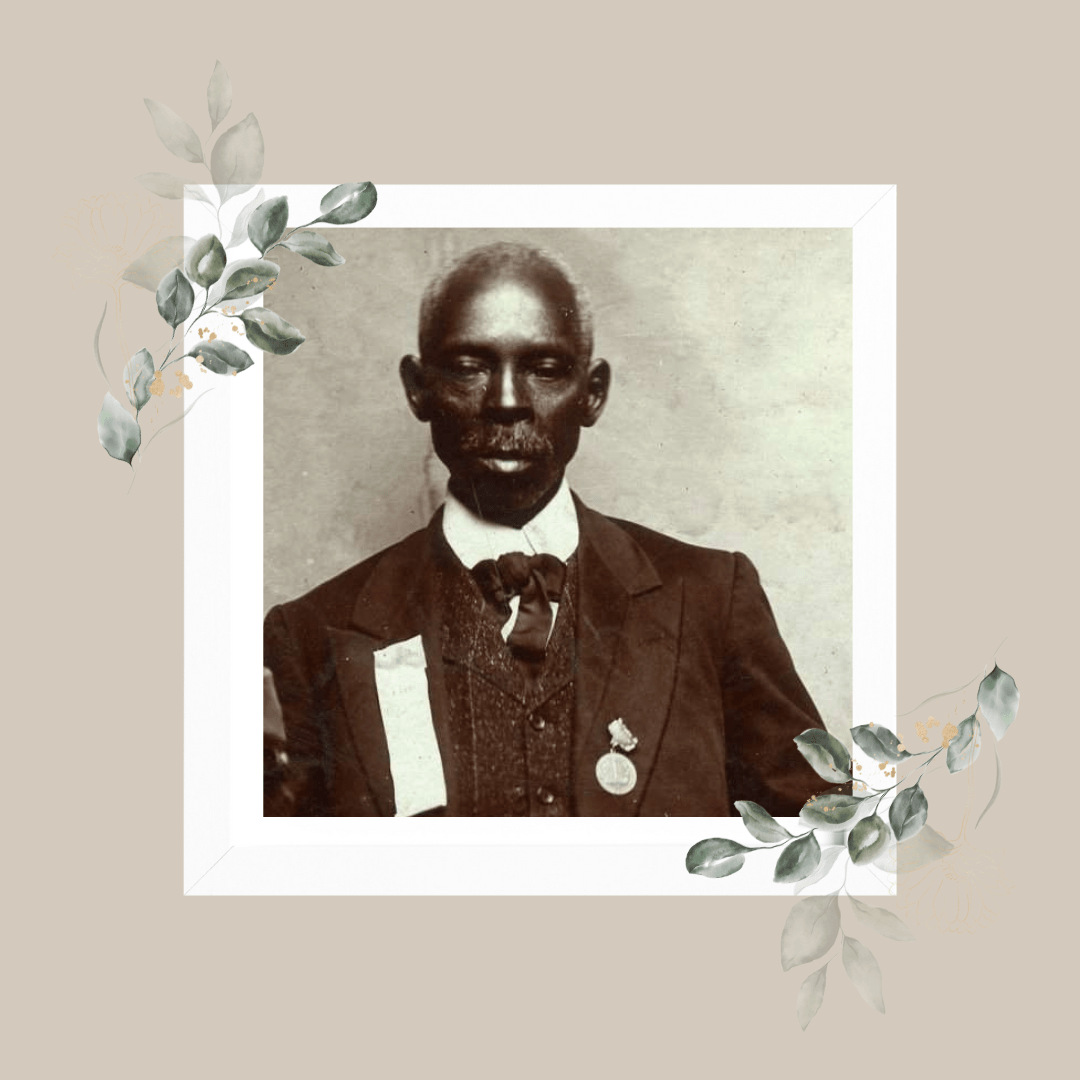
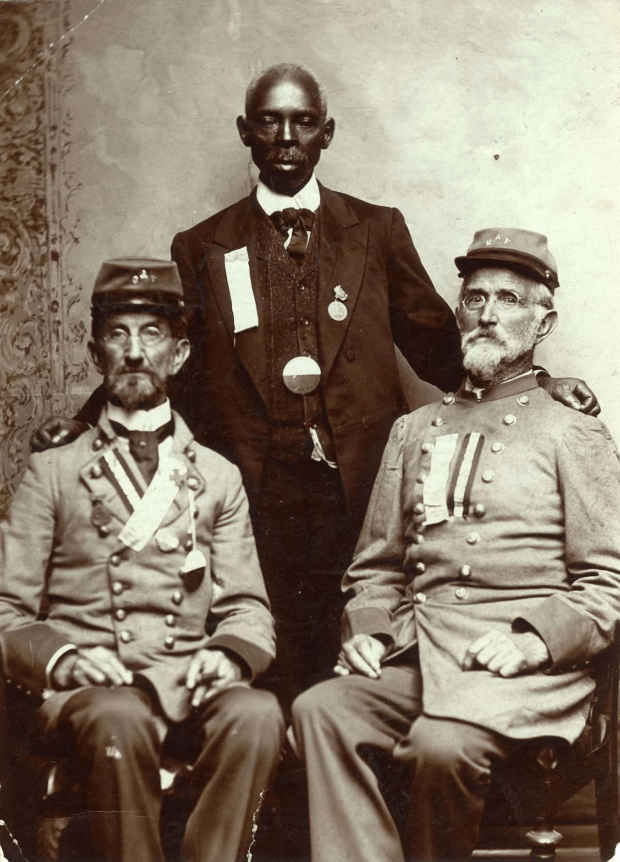
Whenever I see a picture of these three men, I wonder about the man in the middle. I know how the photo is staged, but I don’t/can’t read anything into how he’s feeling. Whether this is your first time looking into “Black Confederate” websites or you’re a veteran, you’ve probably seen this picture with some version of a story about how Black men were devoted to the Confederacy.
The “Faithful slave” mythology is one of the six tenets of the Lost Cause.
African Americans were “faithful slaves,” loyal to their masters and the Confederate cause and unprepared for the responsibilities of freedom.
Faithfulness also comes down to stories about devotion and care. Ironically, these are things Black parents and children were deprived of because of the way slavery twisted family relationships.
We currently take for granted the idea of parental rights, but truthfully, enslaved people had no parental rights. For instance, if an enslaved parent had a different opinion about what their child should be doing, the enslaver’s opinion could override it, given that both parent and child were considered property.
Young camp slaves are usually painted as choosing adventure or choosing to follow the “fortunes of their masters”.
The EncyclopediaVirginia.org site gave a few clues:
– All 3 men had the last name of Ellis.
– Two of the men were brothers
– The regiment the Ellis brothers were enlisted in,
– The Ellis Brother’s ribbons say “CAV”, possibly hinting they were in the cavalry.
– Year of the photo, 1907
– Confederate Reunion, Virginia
Placing what we read in context
There’s a formula that Confederate Veterans used, which you can find in article after article. The formerly enslaved person is either essential because they served a renowned Confederate Officer, they demonstrated extreme devotion, or they are considered a “good old time negro”. That means they aren’t radical, they aren’t insisting on any rights, and they know their place in the racial/caste hierarchy.
Stories like this which appear in the paper or the Confederate Veteran Magazine place a heavy emphasis on what White Confederates felt was valuable, overwriting anything that Black people thought or felt.
In Micki McElya’s “Clinging to Mammy” she argues, “Enslaved people appeared faithful and caring not because they had to be or were compelled to be, but because their fidelity was heartfelt and indicative of their love for an dependence on their owners. At their core, stories of faithful slavery were expressions of the value of honor, and identity of whites.”
Historian, Adam Domby states that, “Black Confederates are now similarly used to portray Confederate soldiers as worthy of admiration by all Americans.”
– Adam Domby, The False Cause: Fraud, Fabrication, and White Supremacy in Confederate Memory, pg 146
If you don’t place this attitude in context, you would blindly read these stories and accept them as true.
Alf Lee: Child Camp Slave
With the clues at Encyclopedia Virginia, it was off to newspapers.com for a mention of the Ellis’ and fold3.com for military records.
First, I searched for the brothers in Virginia since that was a clue from the picture’s description. Every technique I use is well-trod ground because so many professional historians and researchers have written about Black Confederate mythology.
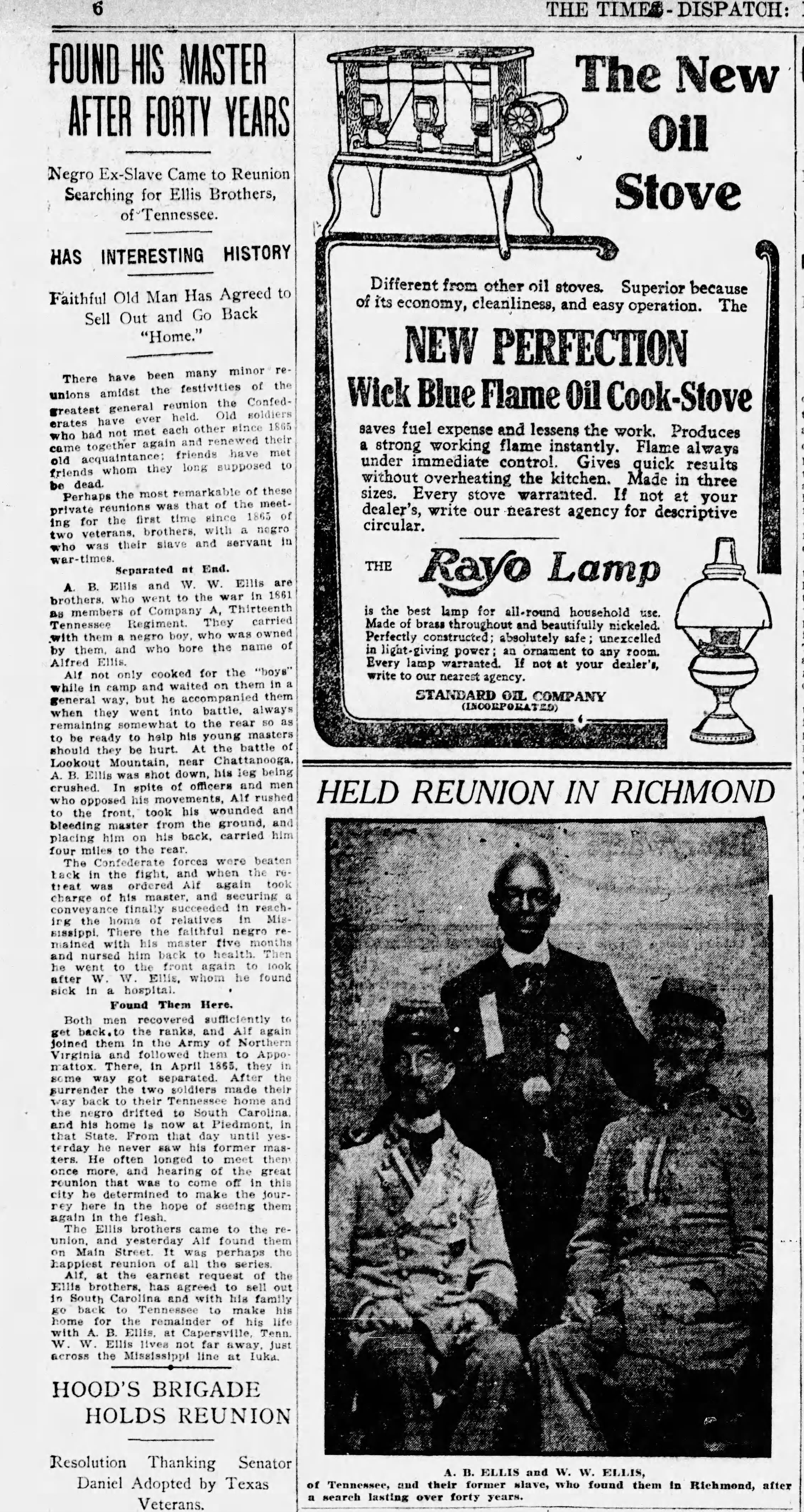
I found an article in the Richmond Times-Dispatch, Richmond, Virginia, Tue, Jun 04, 1907, · Page 9, titled, “Found His Master After Forty Years“. Luckily, the article had an accompanying image, letting me know I was on the right trail.
Note that this article is written very passively. The brothers “carried with them a negro boy who was owned by them and was their slave and servant in wartime.”
At this point, I pivoted and tried finding other information about the Thirteenth Regiment. I found a book called “Personal Account of the Thirteenth Regiment, CSA, Tennessee Infantry, by its old Commander“, by AJ Vaughn. It was published about 30 years after the Civil War. I searched for AB, WW, and Alf’s name in the book. Vaughn briefly described each soldier’s service and compiled a list of brave servants.
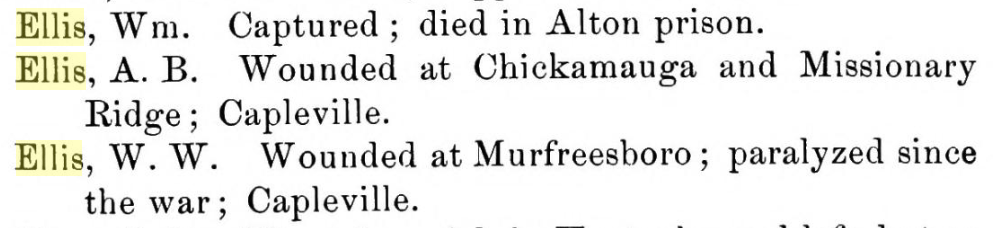
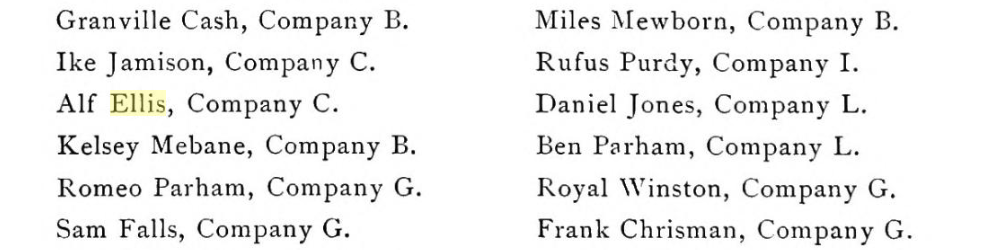
W.W. Ellis, aka William Wallace Ellis, would have been around 17 or 18. A.B., aka Adolphus B. Ellis, was 19 years old based on 1860 census records. He was 20 when he mustered into Company C in 1861. Because the census taker scribbled over W.W.’s name, I had to check the 1850 Census to be sure it was him.
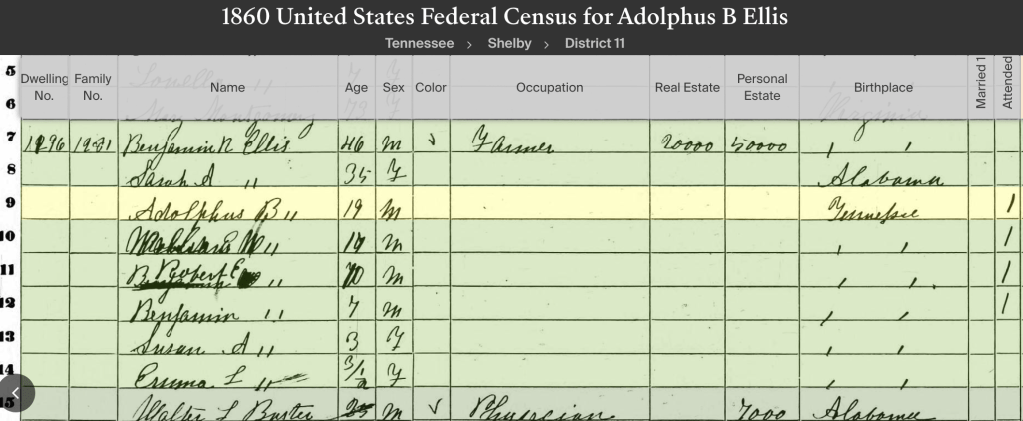
The 1860 Slave Census, shows that their father Benjamin Ellis, enslaved 38 people, including 3 males who were 10, 11, and 13. It’s hard to say which one might be Alfred.
An overlooked part of stories that glamorize the Black Confederate myth is often how young the “body servants” and “bodyguards” are. The brothers were young but took a child to war to do menial tasks for them.
Alfred cooked, cleaned, washed for them, and nursed them. The article also offers a detail that we’ve seen in the story of Louis Napoleon Nelson, which is that slaves were generally in the rear as their enslavers participated in battle/combat. It’s good to think critically about primary sources, firsthand accounts (which also need to be fact-checked).
Upon examining A. B.’ s (summary) and W. W.‘s (summary) records on fold3.com, I found that they both joined Company C, Thirteenth Regiment, Tennessee Infantry in 1861.
The article claims that Alf nursed the brothers back to health after they were wounded or sick, but no other sources corroborate this detail.
After the war in 1865, Alf and the brothers “drifted” apart, with Alfred moving to the Piedmont area in South Carolina. He waited for 40 years to see them again.
According to the newspaper, Alfred was so happy to have found his former enslavers (W.W. and A.B. Ellis) after 40 years that he agreed to sell all his belongings in North Carolina and move his family to Tennessee with A.B. Ellis.
But there’s little to the story after this one article and another article that incorrectly reports which brother and state Alf agreed to move in the Evening Star in Washington, DC, likely taken from a summary of the Times-Dispatch.
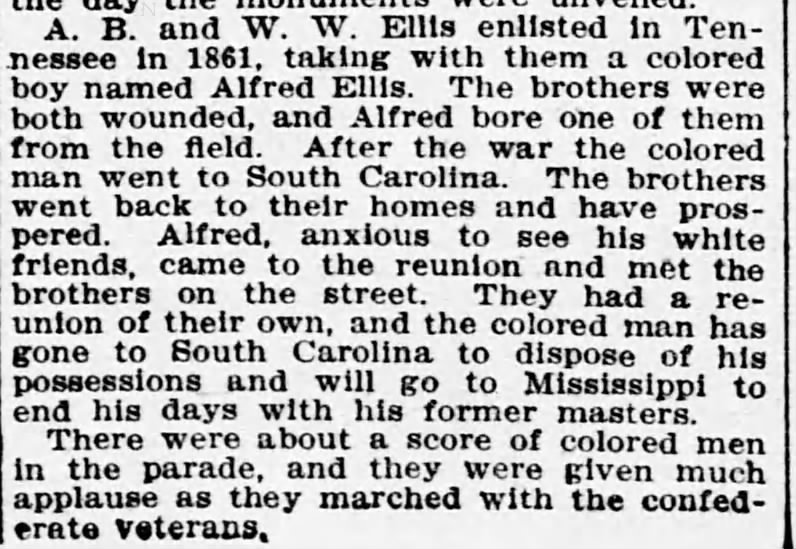
There is an Alfred Ellis who lived in Tennessee and died around 1923, but there are no other corroborating details to verify this is Alfred Ellis in the story. Alf also doesn’t appear in Tennessee’s pension for ex-slaves, which began in 1921. I’ll be keeping my eye out for more about Alf Ellis.
Confederate Reunions like the one that occurred in Virginia were segregated and attended by very few formerly enslaved people. There was a rotating roster down to about 40 in the 1930s. Elderly Black men like Alf were facing few prospects for money and earning a living. These reunions were sometimes a way to get financial support, work, or help.
Far from being a happy story, any critical thought would lead to questions about why these men would still need to be dependent on the people who enslaved them if they were compensated, received reparations after the war, or the federal government had not abandoned Black people during Reconstruction.
Men like Alf were upheld as examples to other African Americans, used as Reunion entertainment, to argue against reparations, and used to diminish the cruelty of slavery and to show benevolence of white Confederates.
What we know about him right now is that he spent his life before and during the war in slavery. Alf spent the rest of his life living under the Jim Crow South. His picture is used by neo-Confederates who haven’t bothered to learn about him as a person, only to use him as a mascot for a valiant South.
This post is a memorial for Alf Ellis, who found a way to survive the caste systems that the men in the picture he’s featured in voted for and fought to uphold.
Mr. Ellis navigated the racial barriers supported by those who created articles in favor of white Southern myth and memory, and his legacy should survive unexploited even now as Confederate sympathizers work on chaining him to an alternative reality.
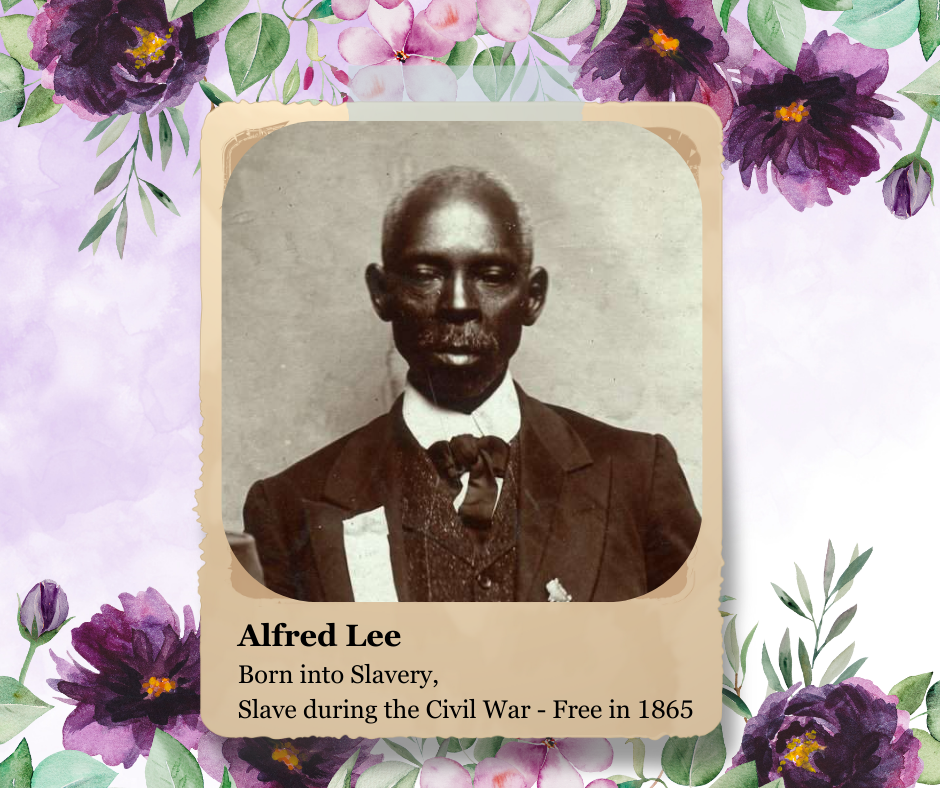
 It's about Heritage!