Confederate States of America seceded due to States’ Rights…. States’ Rights to own humans!
Join me in continuing the work of our great-great forebears of rewriting Southern Heritage to exclude our well-documented racist beginnings and include a big ol’ question mark, with an asterisk that says “* the North were the real racists, but no one ever talks about that”.
The even more peculiar institution of rewriting Southern History
Only a few black men were ever accepted into Confederate service as soldiers, and none did any significant fighting. Through most of the war, the Confederate government’s official policies toward black men maintained that those men were laborers, not soldiers; changes to that policy in March 1865 came too late to make any difference to Confederate prospects for victory.
Source: Encyclopedia Virginia – Black Confederates
We won’t be made to feel shame because our family was trying to hold onto the only life they had ever known.
The life of aspiring to own slaves, owning slaves, feeling superior to black people, and enshrining a racial caste system. I have devoted myself to making up, copying and pasting, unearthing information that supports my point of view.
“The negro slaves of the South are the happiest, and, in some sense, the freest people in the world. The children and the aged and infirm work not at all, and yet have all the comforts and necessaries of life provided for them. They enjoy liberty, because they are oppressed neither by care nor labor.“
– Renowned People Enslaver, George Fitzhugh, pro-slavery tract Cannibals All! or Slaves without Masters 1857. The best way to combat unfair labor practices is to compare it with slavery, but then also to downplay slavery. Works every time. That’s why to this day, we value unskilled labor and workers are not afraid to take time off for emergencies. And we owe it all to our Confederate values.
A White Hot Mess
As sure as my daddy sang bass and my mama sang tenor, sometimes you just get conned into fighting a war for the rich planter class because to not fight would cause massive upheaval in the white economy and disrupt the racial caste system which would make blacks socially equal to poor whites.
– A dog that hunts
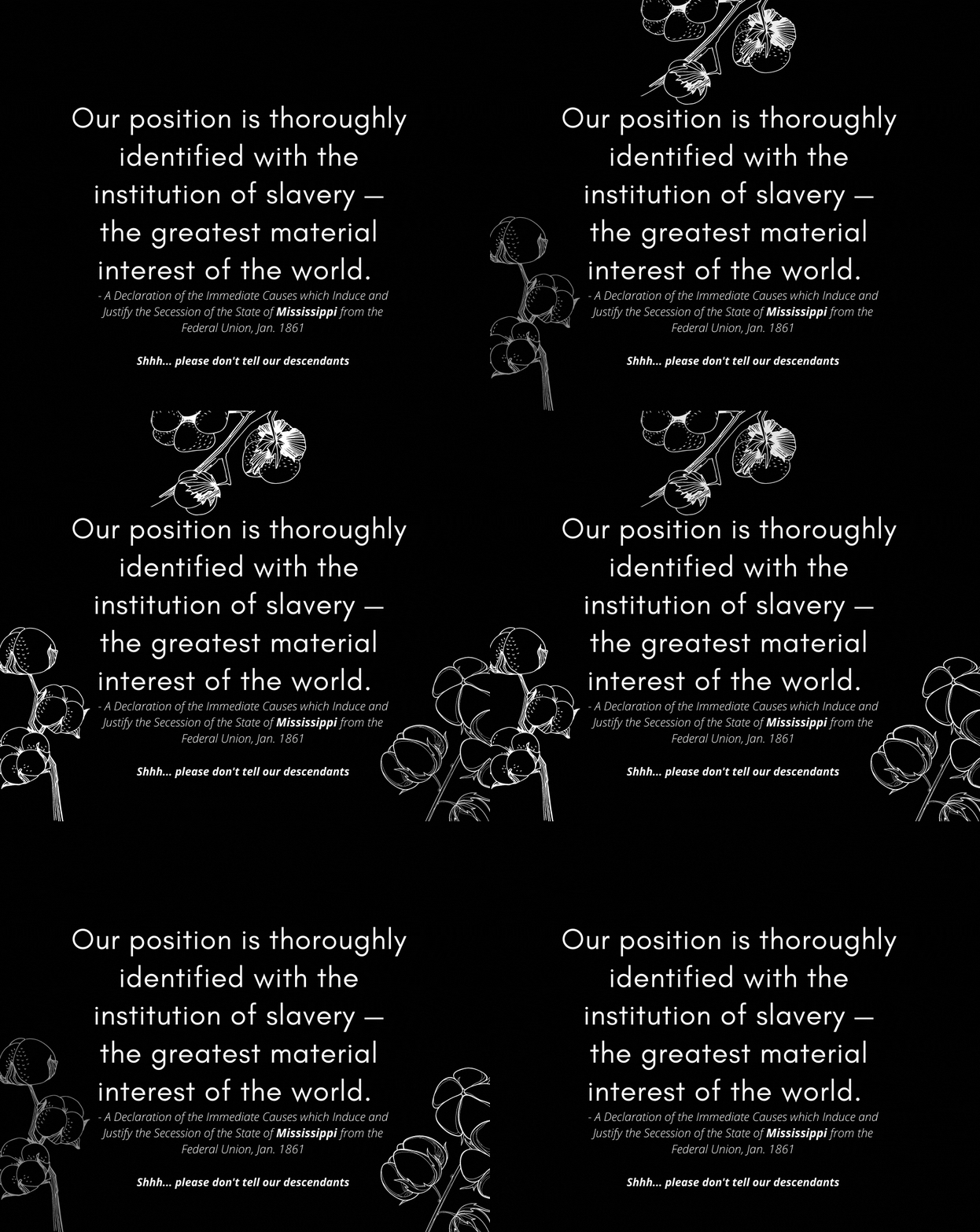
There are politicians that said racist things, but like.. c’mon..
You want me to believe that poor white people fought just to keep slaves for rich people? Nope. Most whites didn’t even own slaves.
They just lived in places where slave labor was the system for generating the wealth of the region. Slave labor was the industry that penetrated almost all other industry in the South.
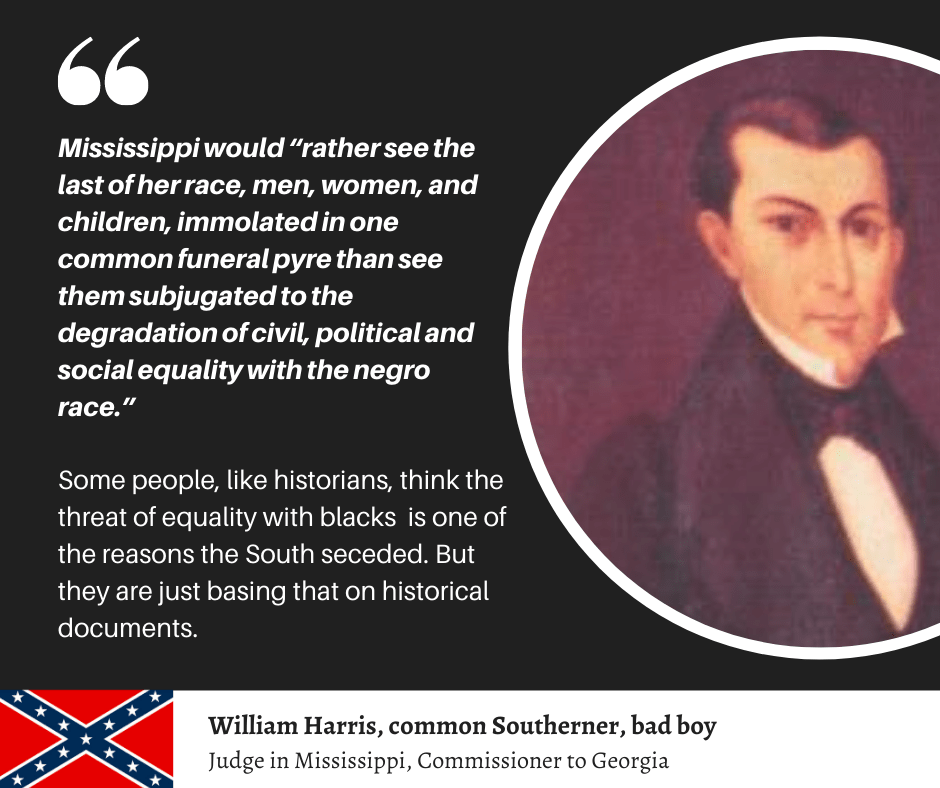
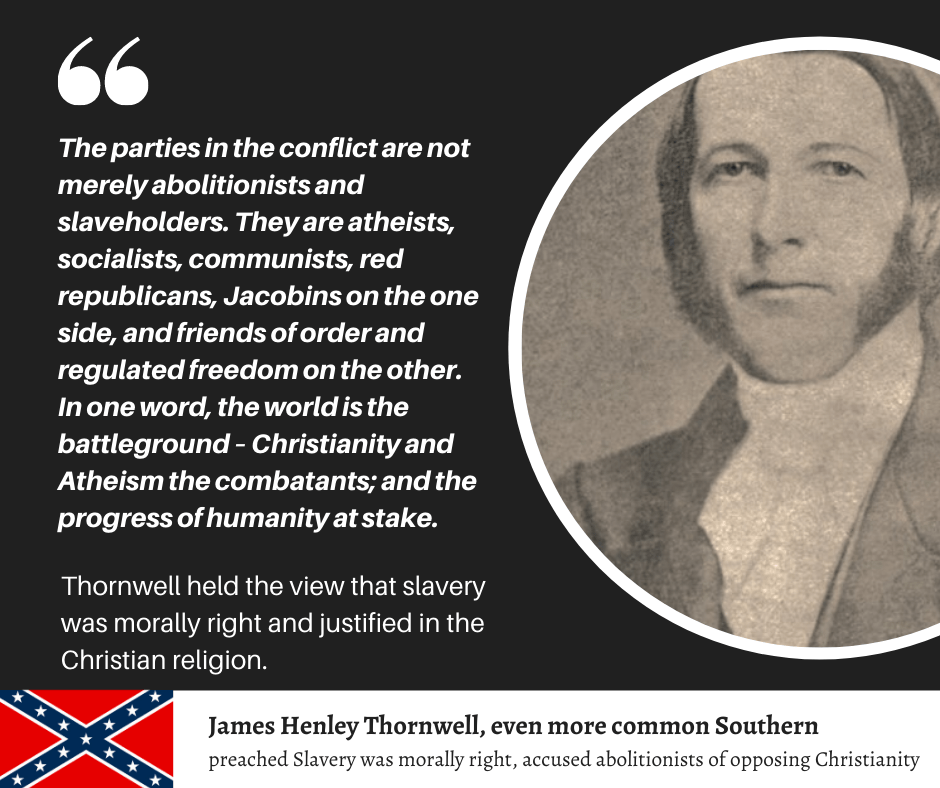
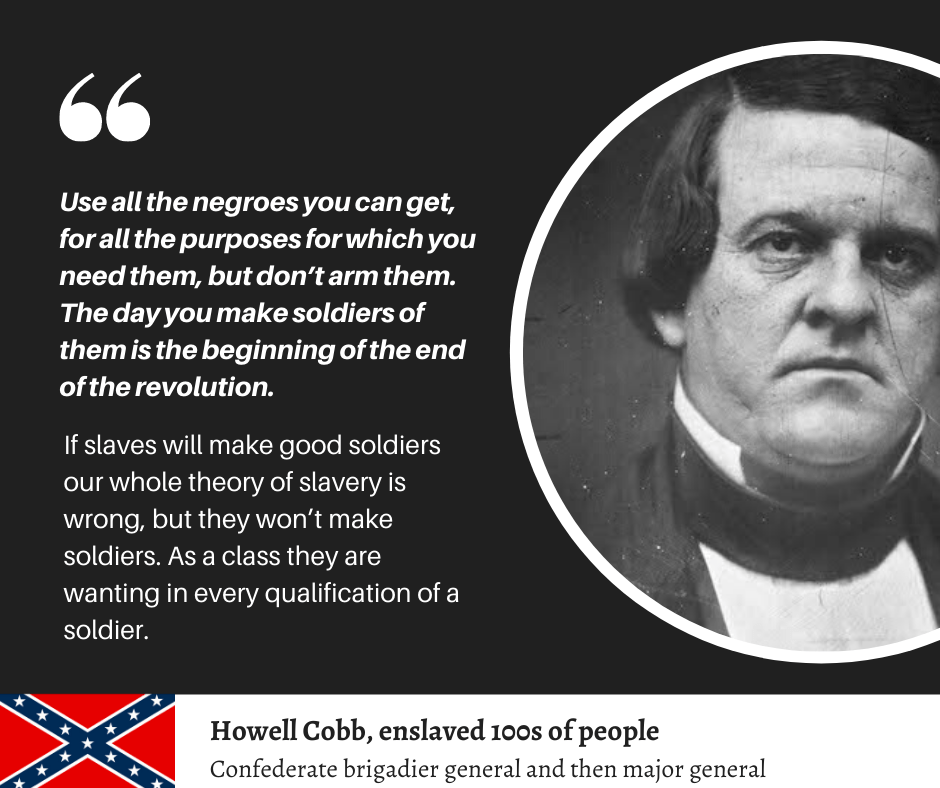
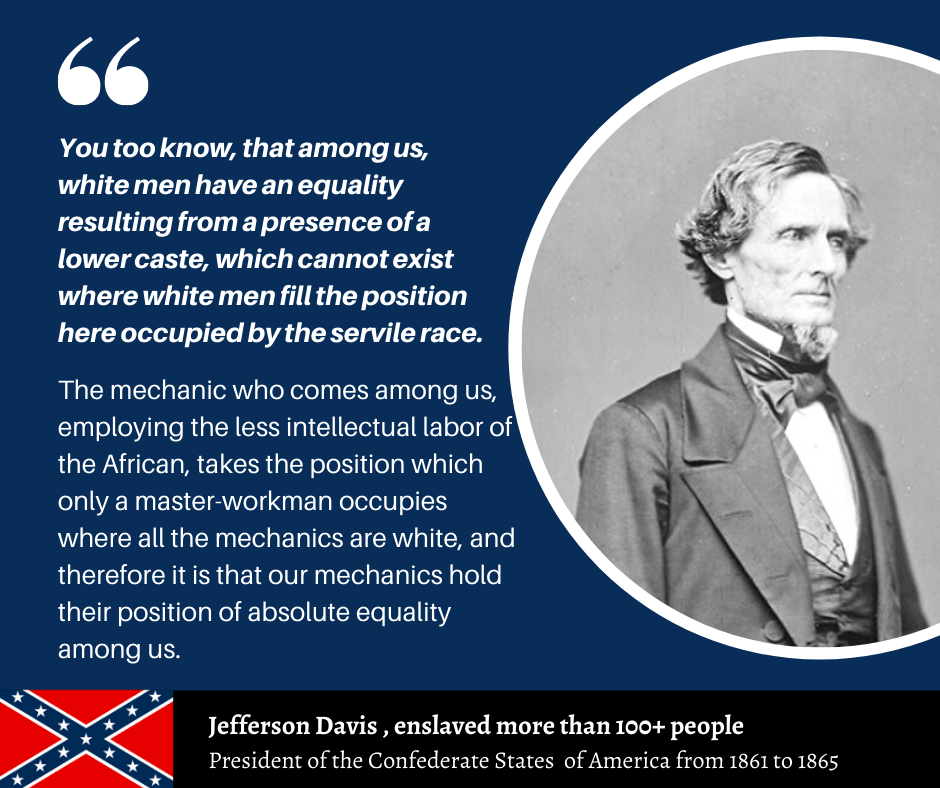
When William L. Harris, said that Mississippi would rather see herself immolated than be of equal status with the negro, maybe that’s not what the common man thought.
To bridge the gap, the government of Georgia ordered 1,000 pamphlets printed out and given to influential people and common men. So everyone was on the same page.
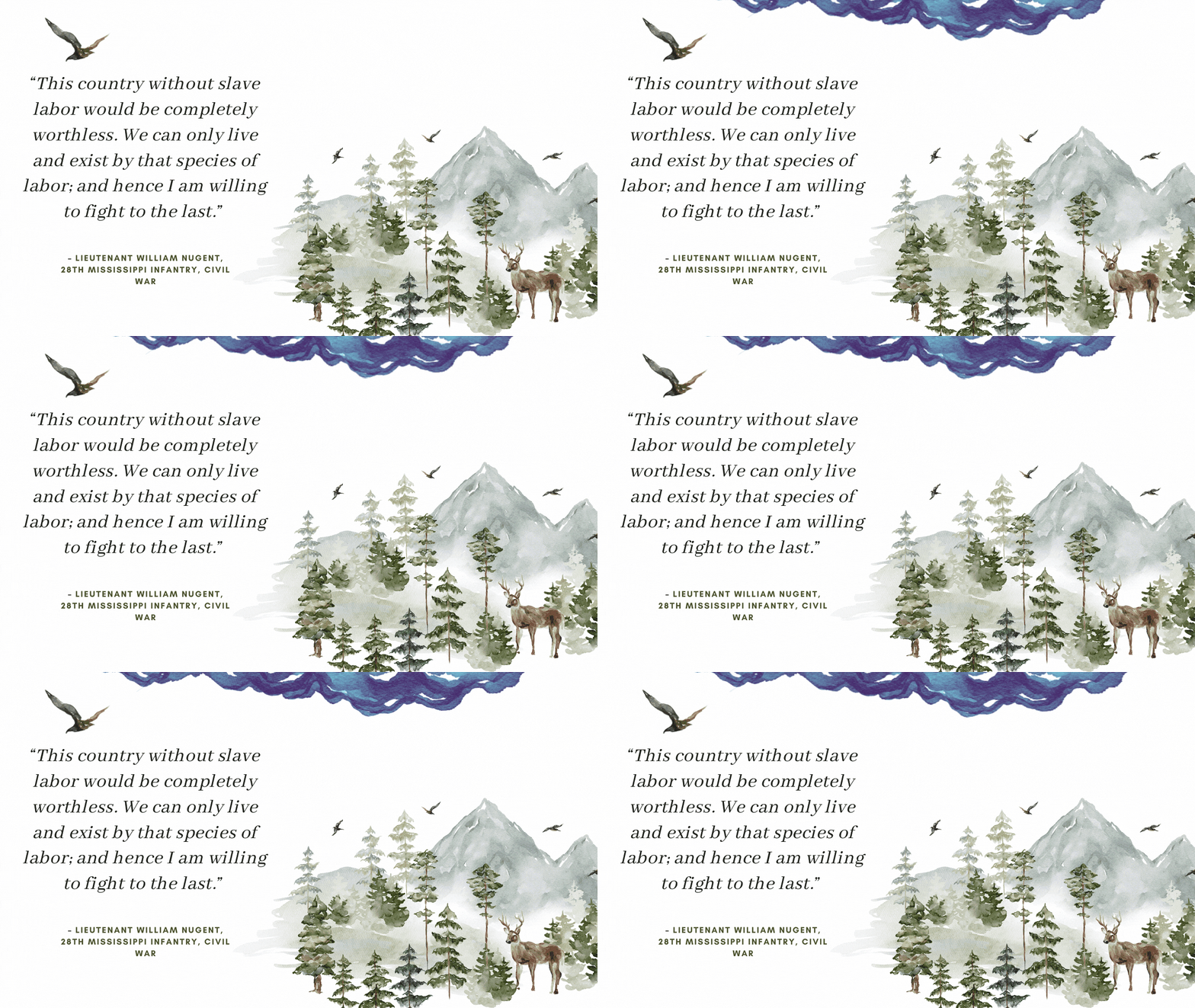
Depending on who you ask, 1 out of 3 to 1 out of 4 white southerners were directly connected to slavery. They either worked for enslavers, did business with slaveholders, rented slaves or used slave labor in some way.
Nearly 3.8 million enslaved people lived in the South in 1860, their labor was invaluable to Southern states, not just slave owners.
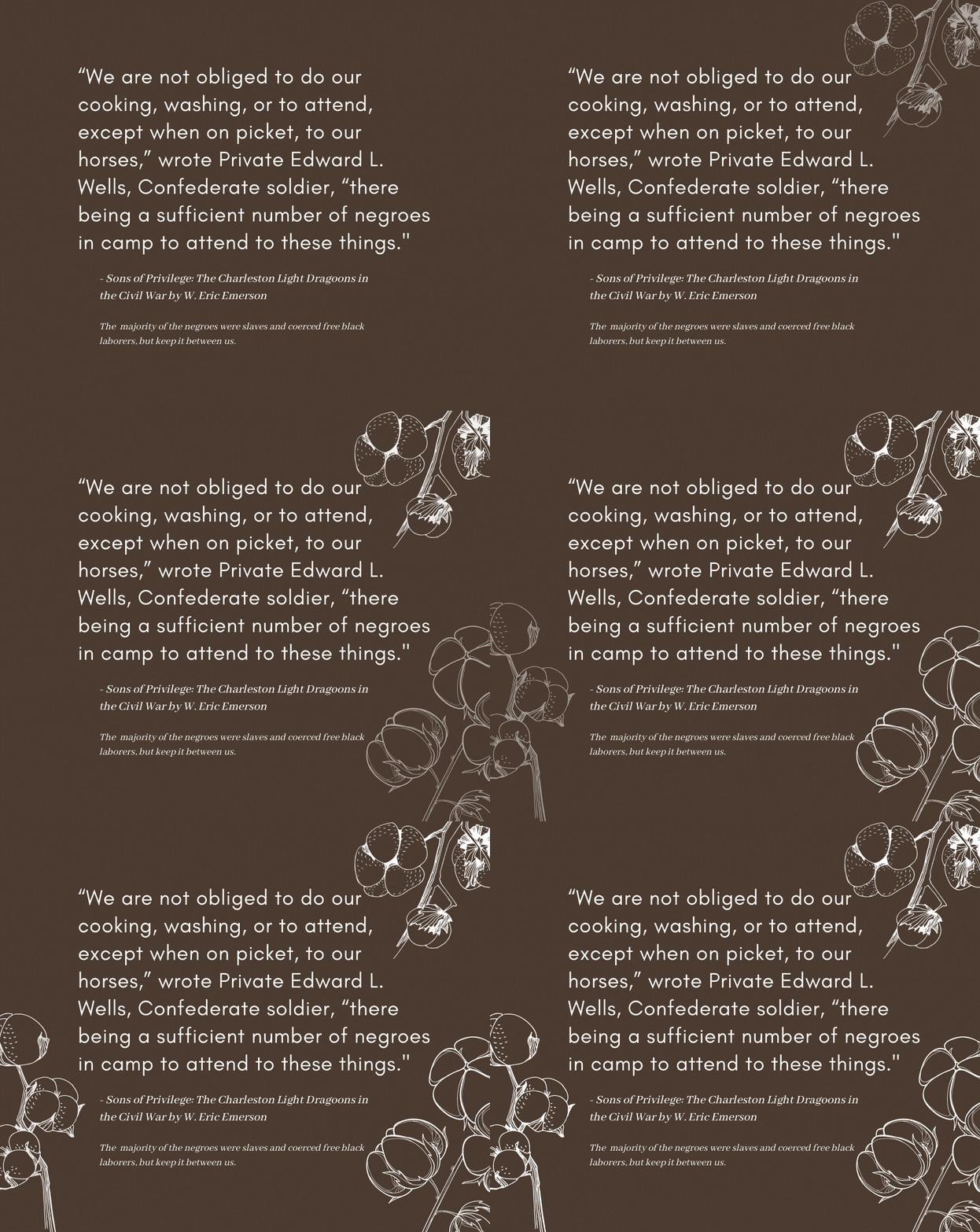
Imagine all these low-wage black laborers in the market competing with poor white people. Our great, great great, and great great great pepaws did and they didn’t like it one bit.
Unfortunately, the planter class also imagined having to pay for all of their labor at white wages.
Pro-slavery Southerners argued that black people, like children, were incapable of caring for themselves and that slavery was a benevolent institution that kept them fed, clothed, and occupied, and exposed them to Christianity. Most northerners did not doubt that black people were inferior to whites, but they did doubt the benevolence of slavery.
Slavery in the US – A Brief History
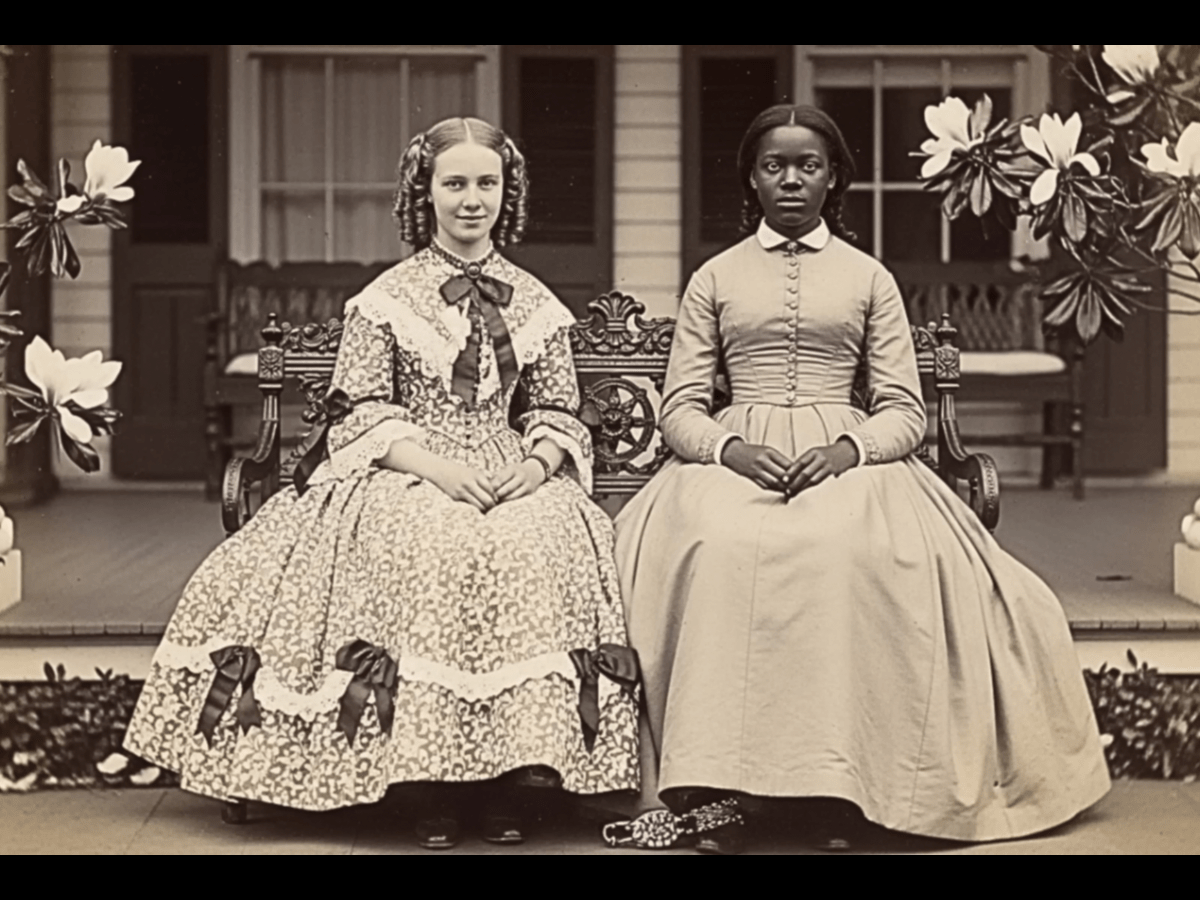
We gotta stop looking at slavery through modern interpretation, like these 2 modern eye-havers.
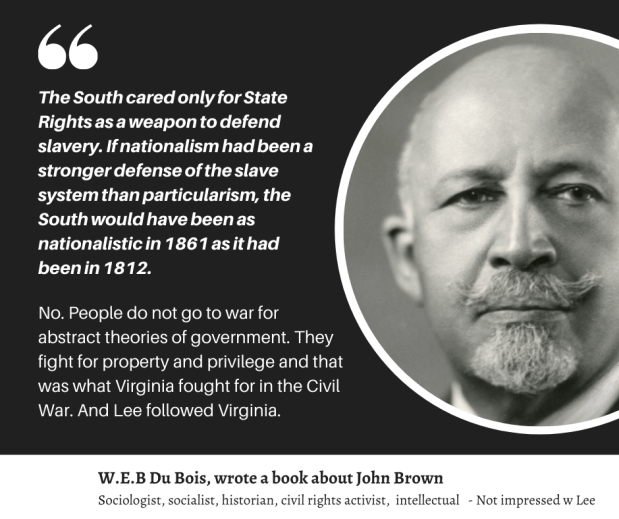
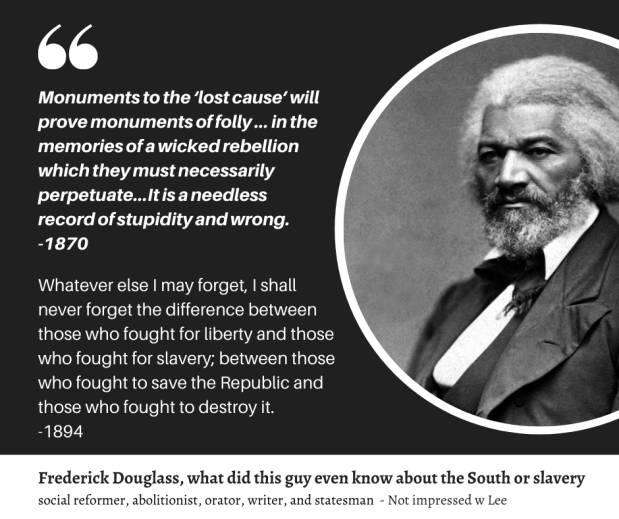
Let me ask you something
If the war was fought over slavery, then how come black people fought for the Confederacy? And if Black people fought for the Confederacy how could the Confederates be racist?
Should I learn the reason behind this? No. Though there are numerous books that document the reasons backed up by facts, none of them rely on the thin vapor of Southern white memory.
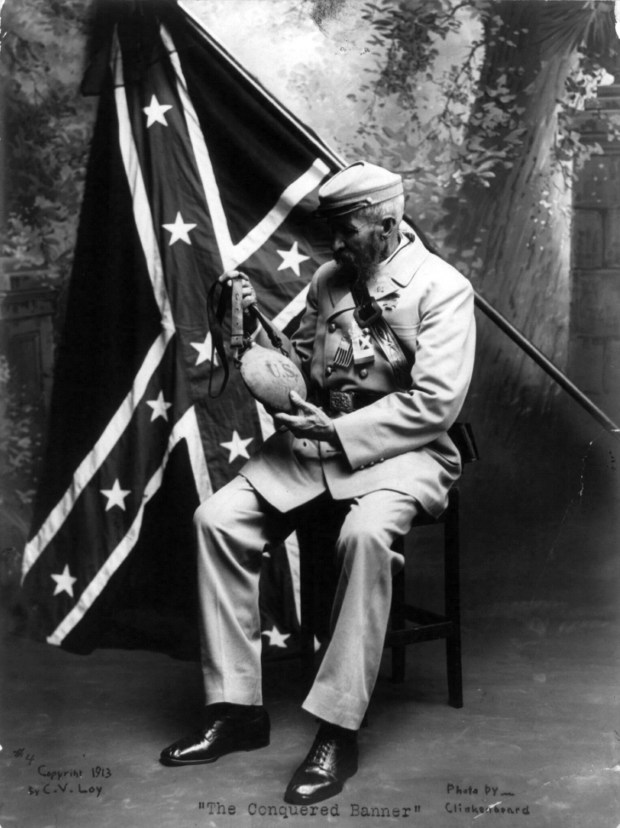
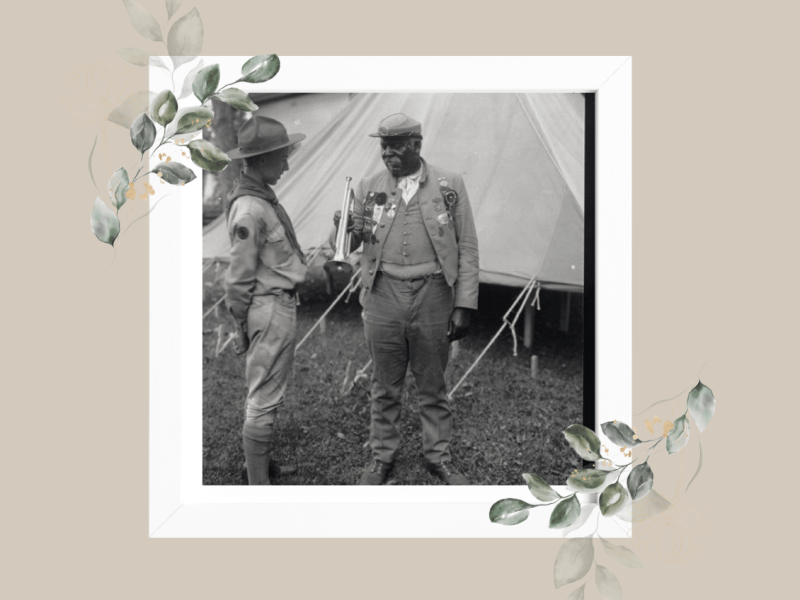
This image is in the Library of Congress, the person in the picture is unidentified, and is dressed as a camp slave. That is kind of depressing.
Wouldn’t it be more fun to imagine this guy loved the Confederacy and fought as a soldier?
I hope you said yes, because that’s what I’m copying & pasting on Youtube, EBAY, Archive.org, & other poorly designed websites.
This ol’ Uncle was a true southern patriot who really knew his place even though we know nothing about him and have no primary sources or quotes directly from him.
My parents, great grandparents, great-great grandparents, and great-great-great… well you get the point passed this hidden history down to me that carpet baggers and scallawags hid away from the true Sons of the Confederacy and their African American devotees (who would have eventually been freed by the grace of God).
And I trust my folks more than I trust historical records, primary sources, logic or historians.
A moment of silence for all of the black Union Soldiers and formerly enslaved black Southerners who have been misidentified as Black Confederates.
That’s enough. Let’s get back to enshrining our Black brothers as being devoted to the Confederacy and the system of human bondage the Confederacy represented just like their white brethren. And if we make a little cash on the side, that’s just heritage.
To honor and respect
I want to prove that black people supported the Confederacy and they wouldn’t support the Confederacy if it was racist.
I honor the faithful loyal servants of the Confederacy who served as slaves to their masters in the Confederate Army.
If great-great pop-pop and the Almighty States of the Confederacy had not forced and coerced their labor, many sons of the South would not have been able to survive the war.
But the word slave sounds unpleasant, so I’m saying they were Black Confederates. Just look at the pictures of all of these Black Confederates, enslaved by the policies our forebears put in place.
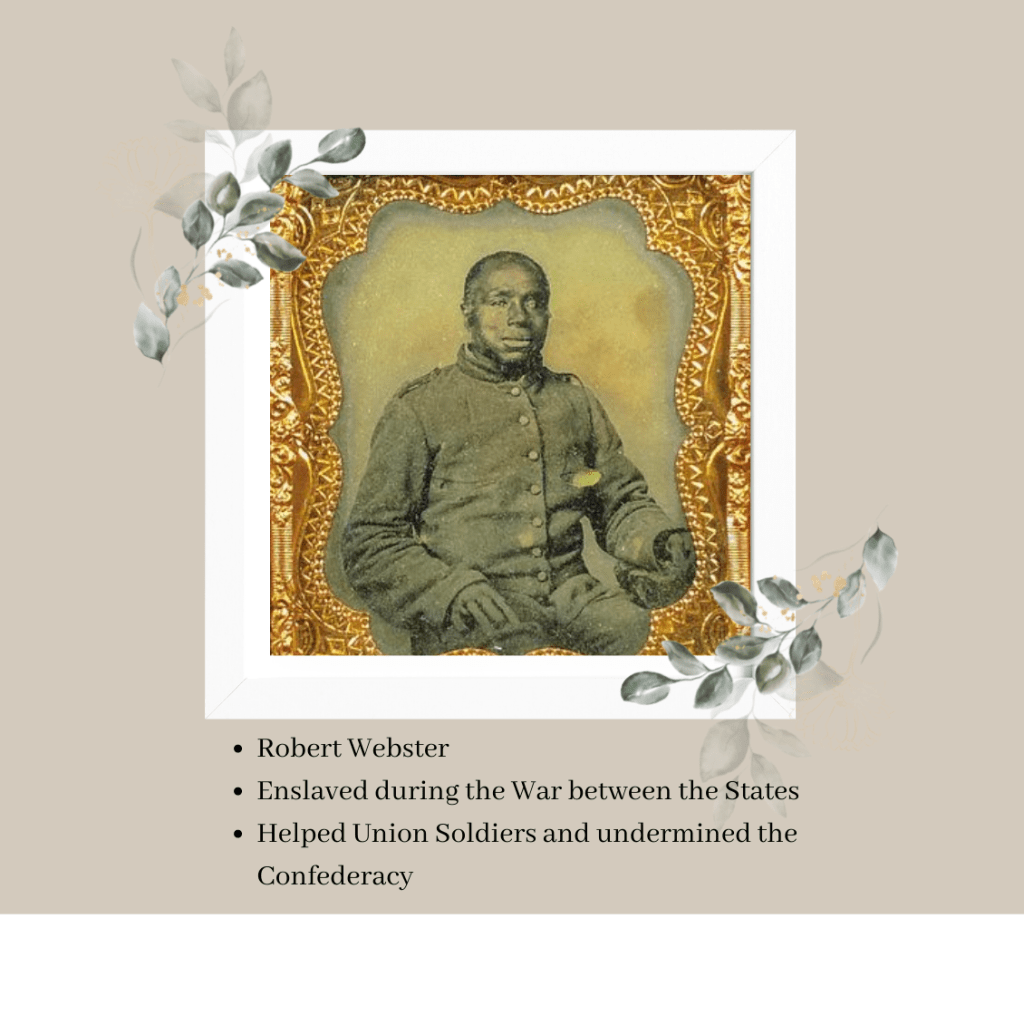
– Enslaved during the Civil War – Helped Union Solders and undermined the Confederacy Often mis-labeled as a Black Confederate 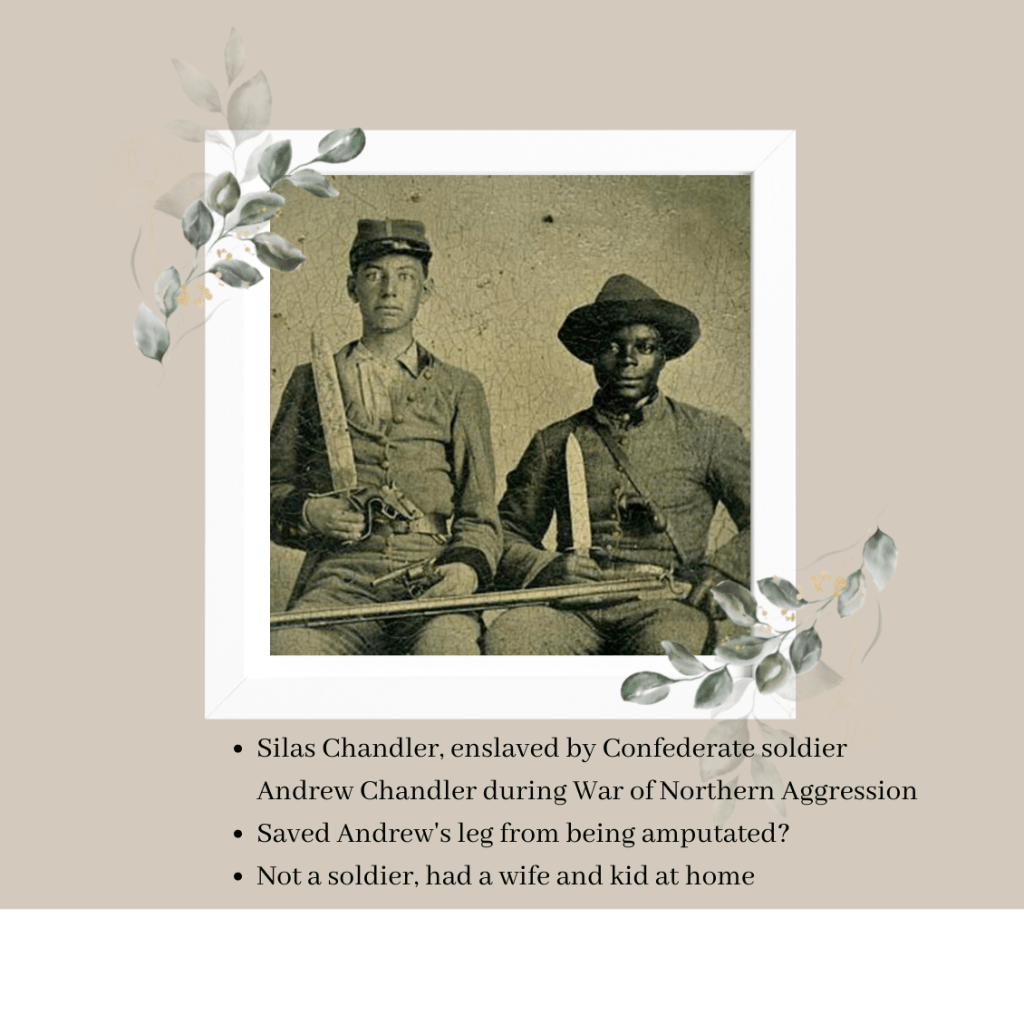
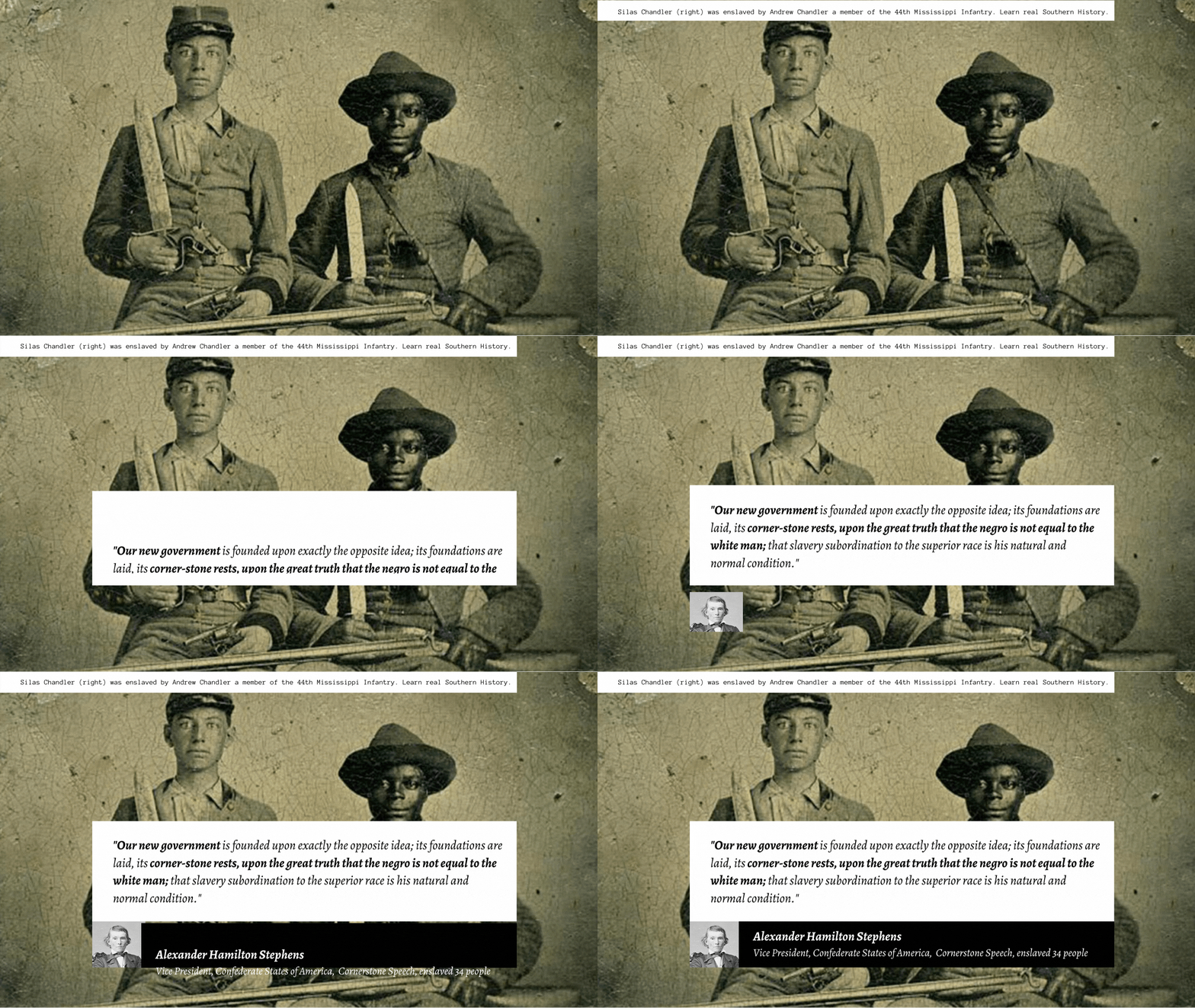
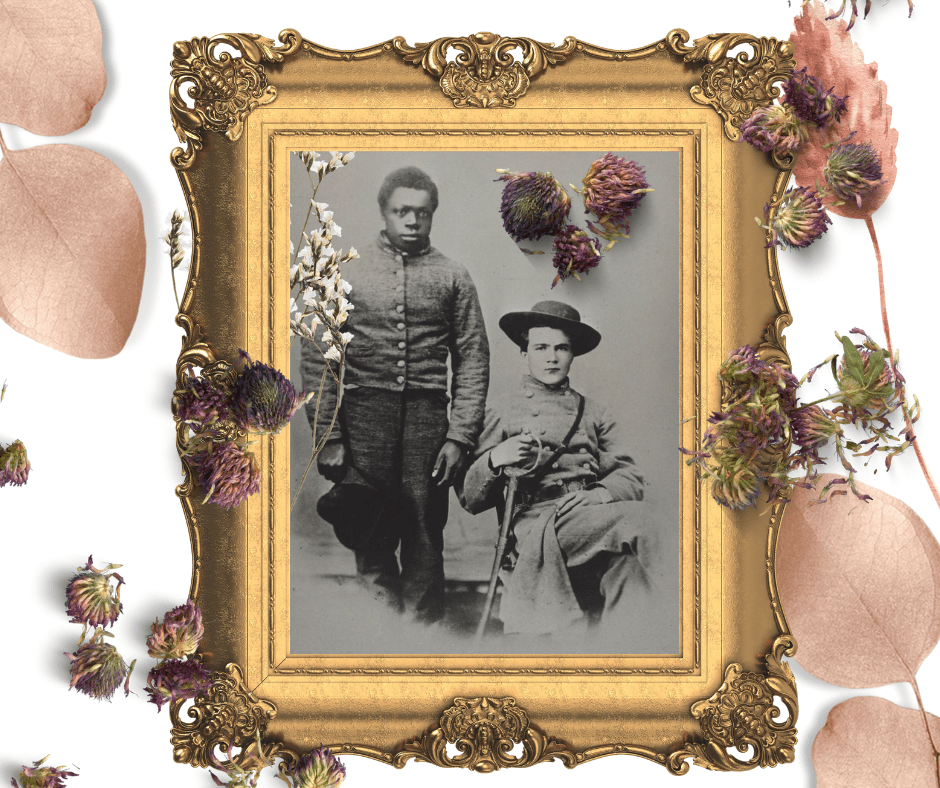
— Silas Chandler was enslaved by Confederate Soldier Andrew Chandler during the War of Northern Aggression — – History Detectives episode debunk 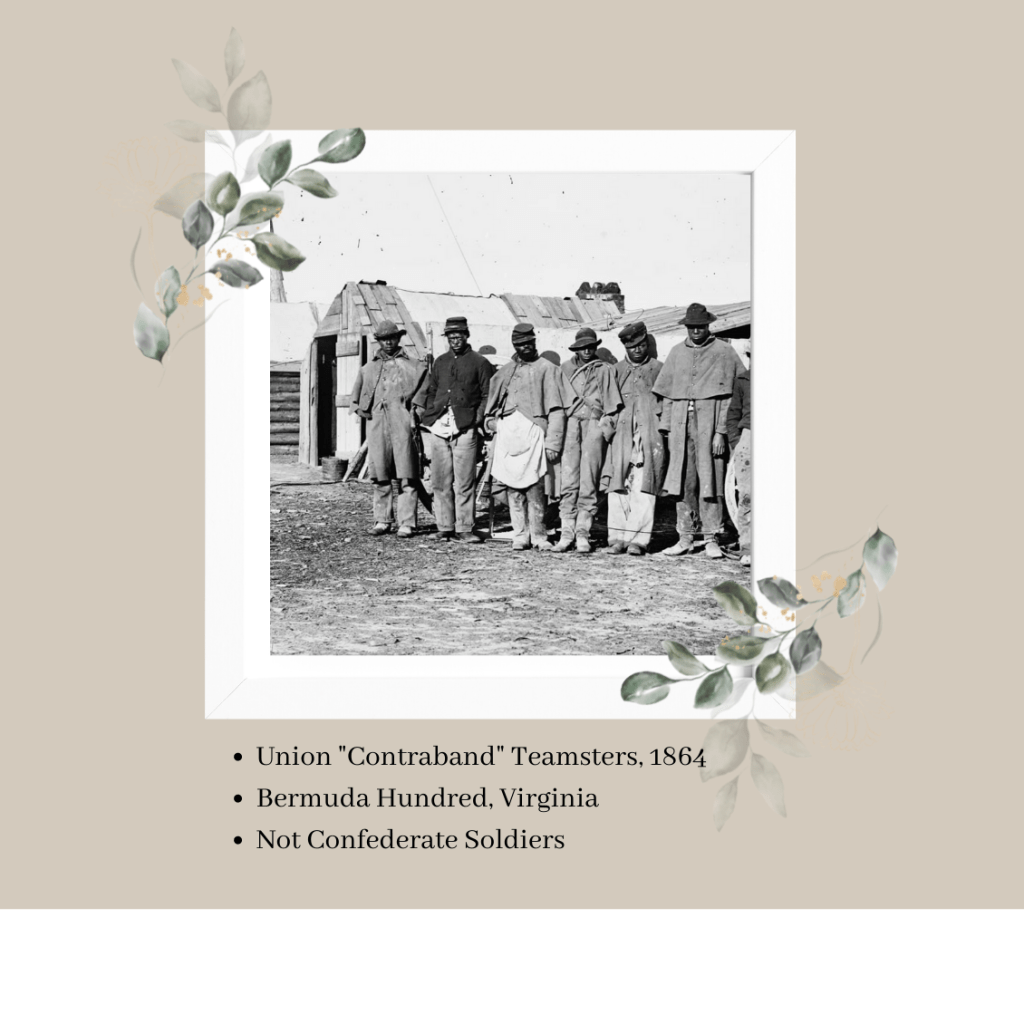
Picture taken in 1864, Bermuda Hundred, Virginia,— Not Confederate Soliders Often misidentified as “Black Confederates” Library of Congress – Info about this picture 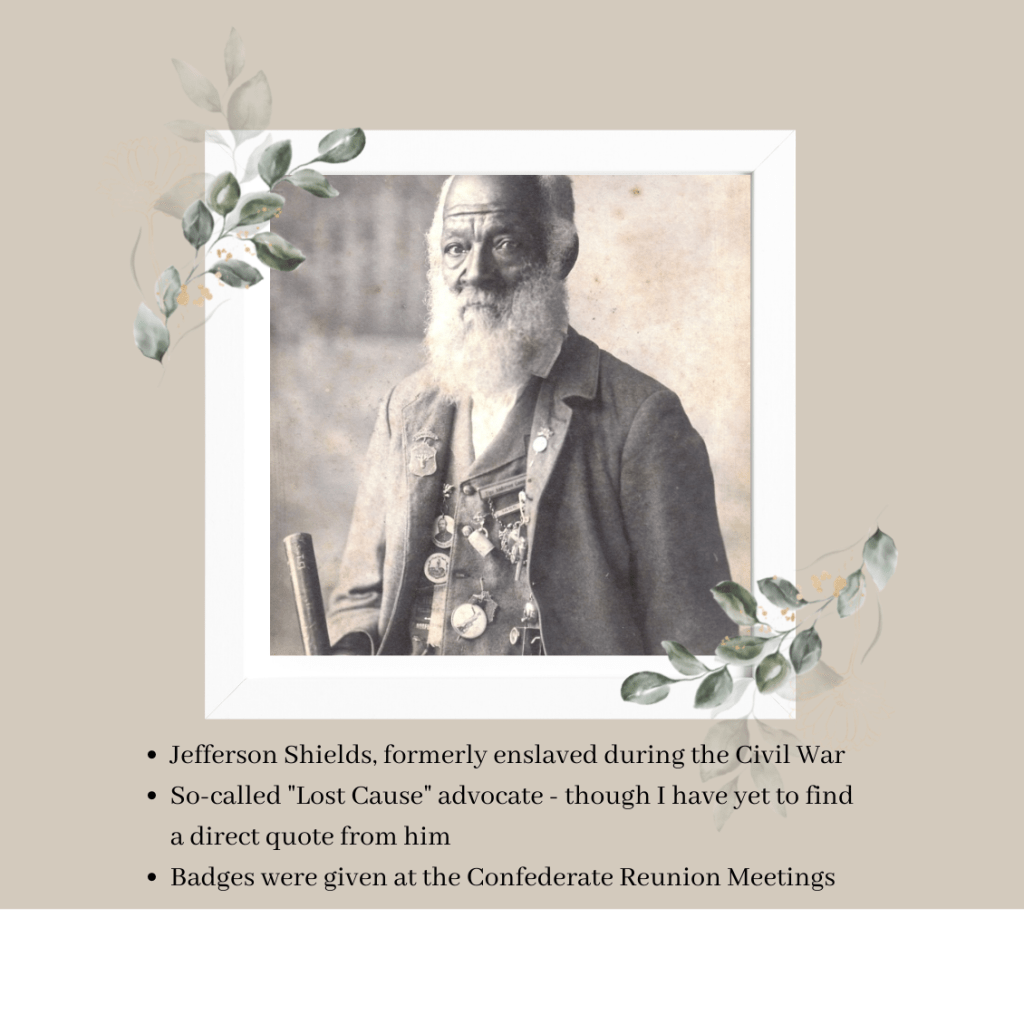
— formerly enslaved during the Civil War, good old negro —supposedly a Lost Cause advocate based on what white Southerns wrote about him 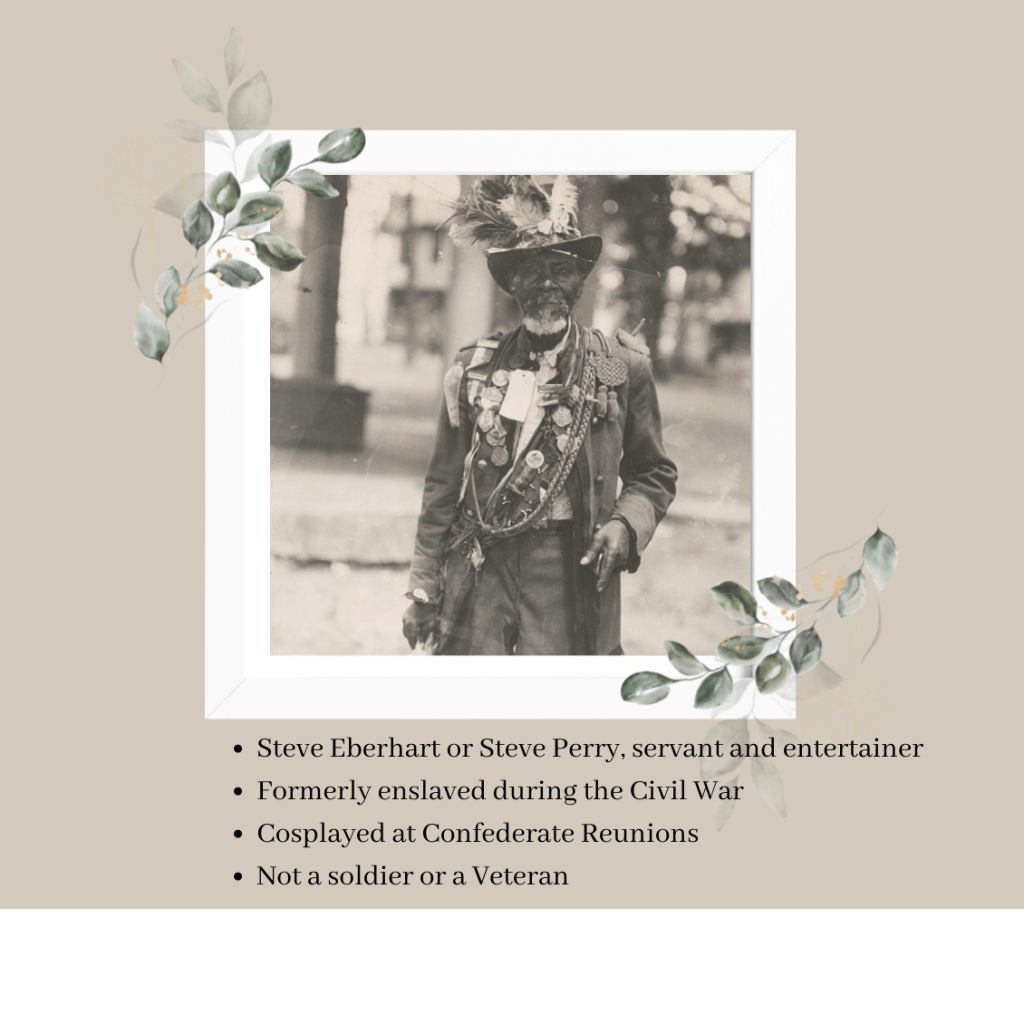
—Cosplayed as a former slave at Confederate Reunions —- Mentioned several times in Confederate Veteran magazine, not a soldier or a veteran 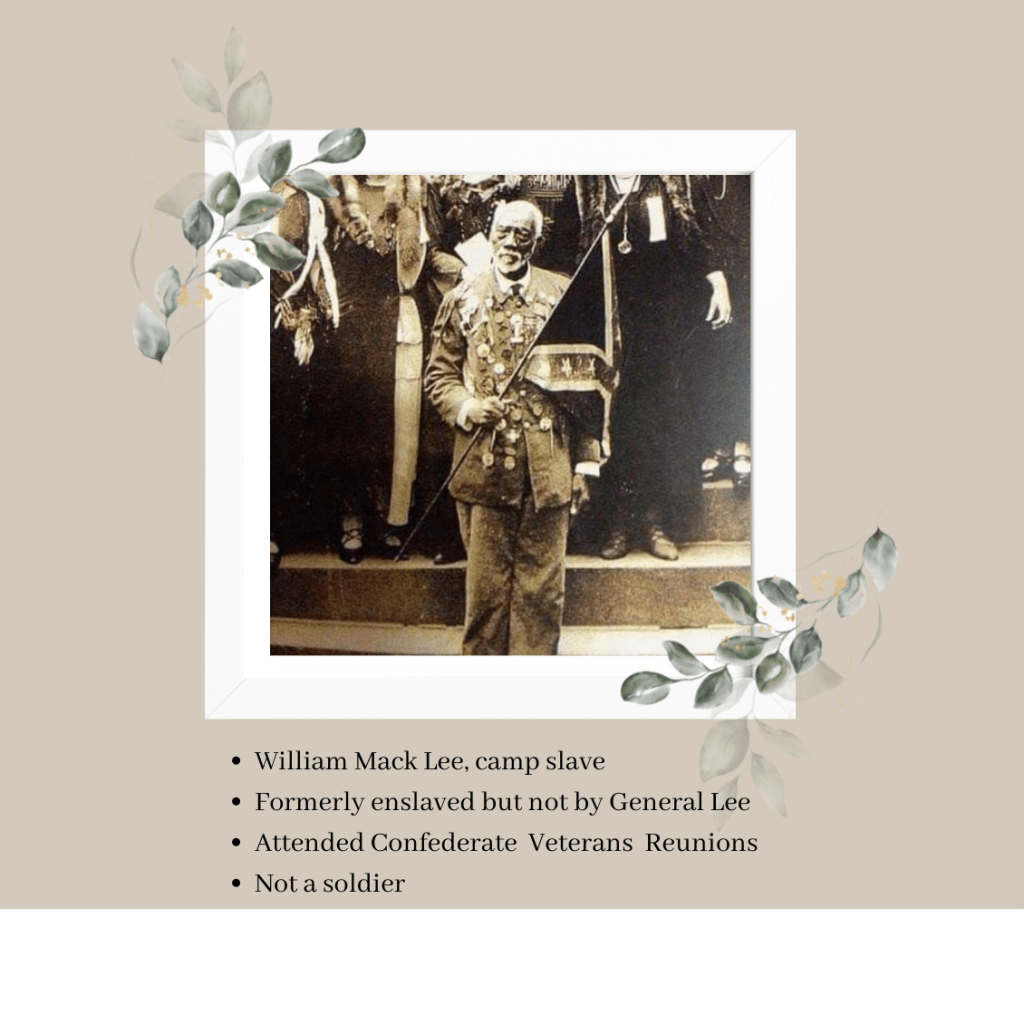
— One of the best camp slave reenactors in the game —- Attended several Confederate Reunions 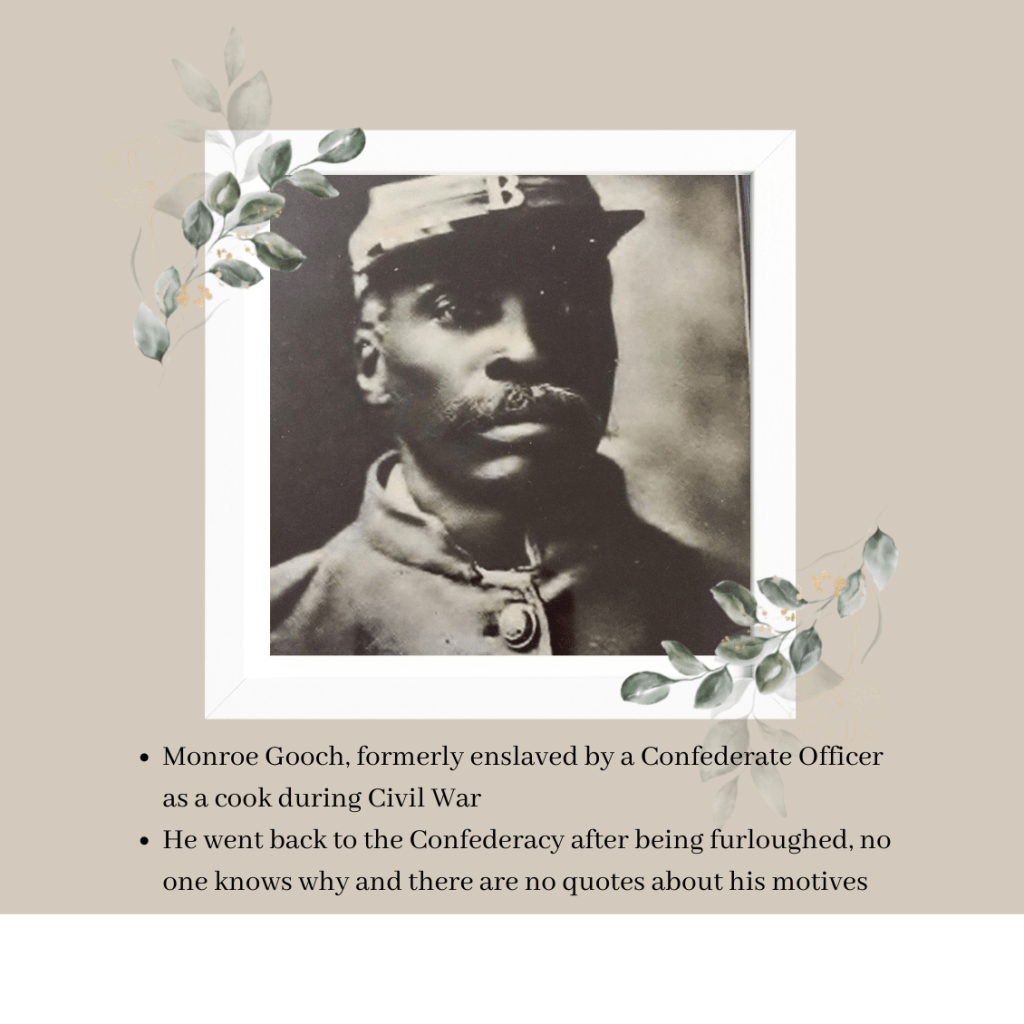
—Formerly enslaved by a Confederate Officer as a cook during the War Between The States, symbol to the Confederacy, he was not a solider 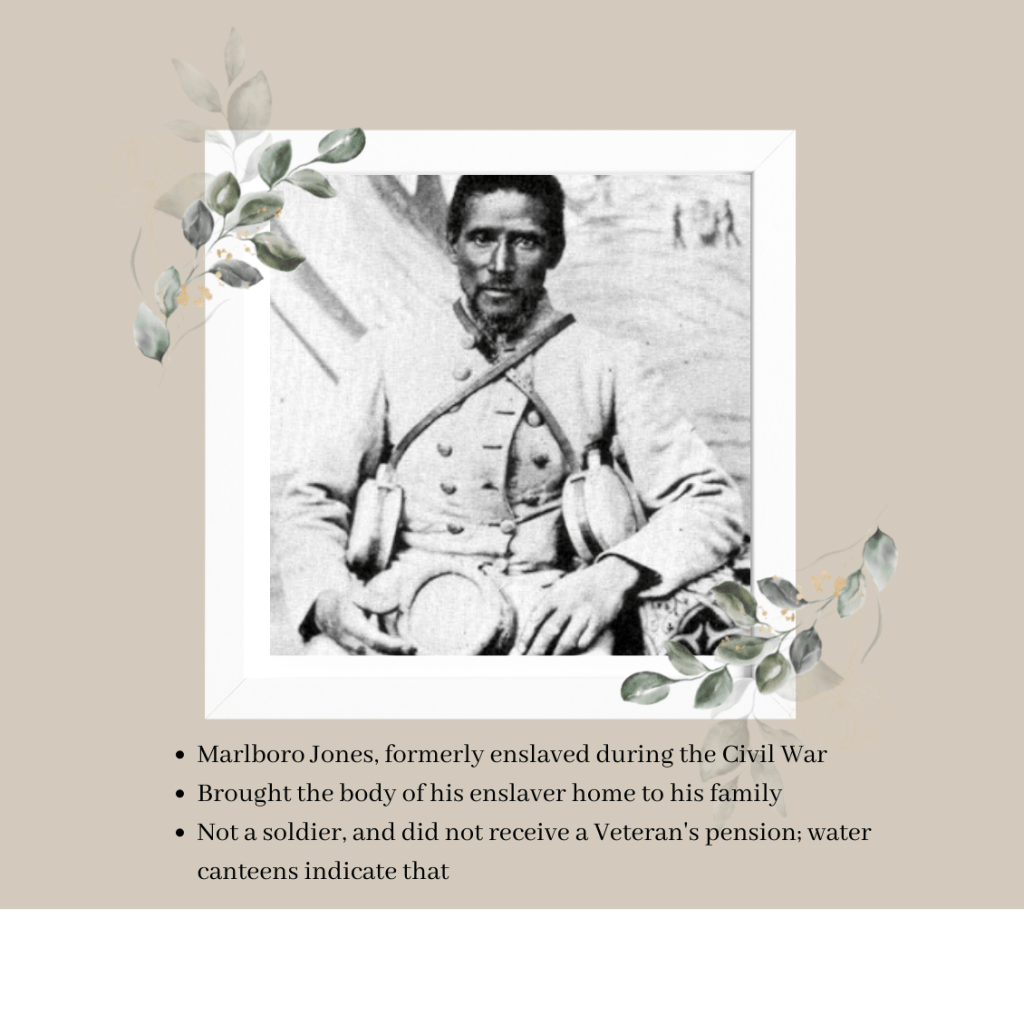
—Marlboro Jones enslaved during the War of Northern Aggression by a Confederate Randal F. Jones of the 7th Georgia Cavalry —Often mislabeled as a Black Confederate, though there are no known quotes from his discussing his motivation 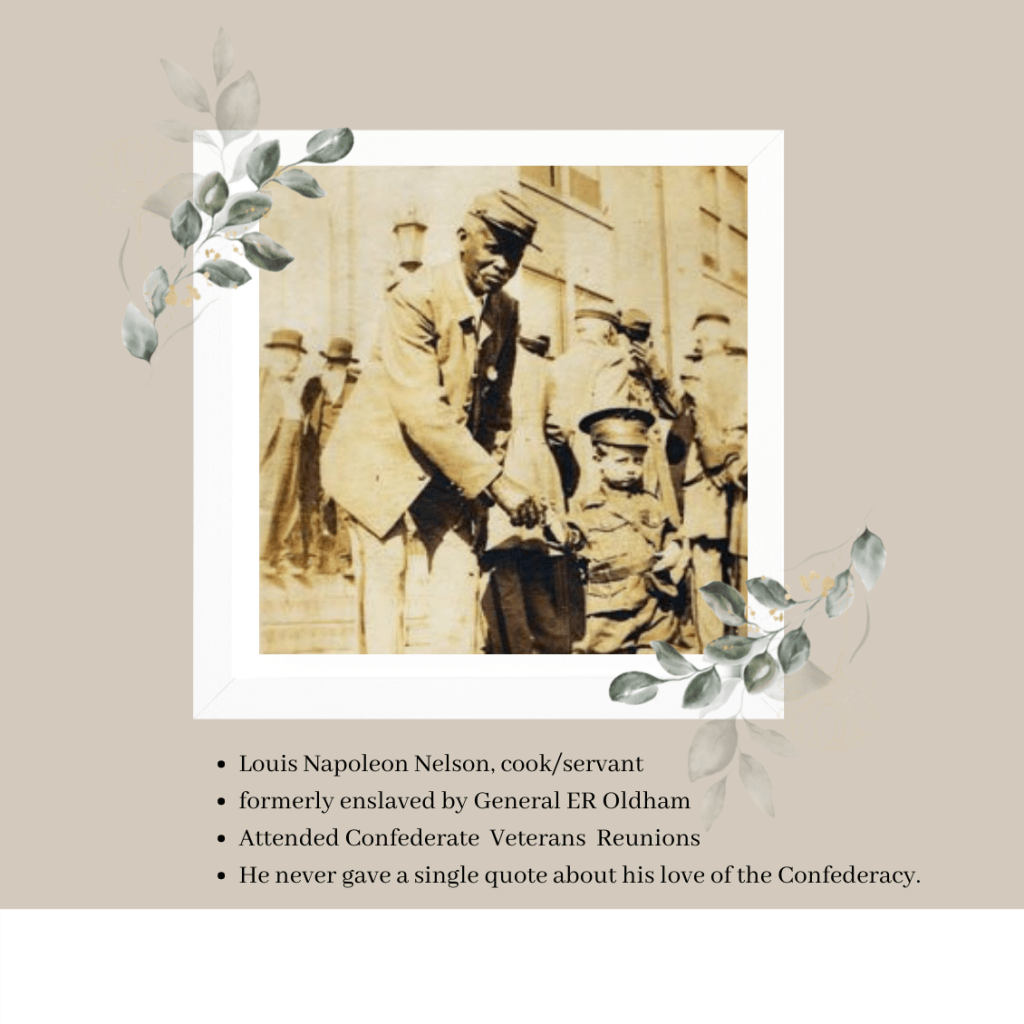
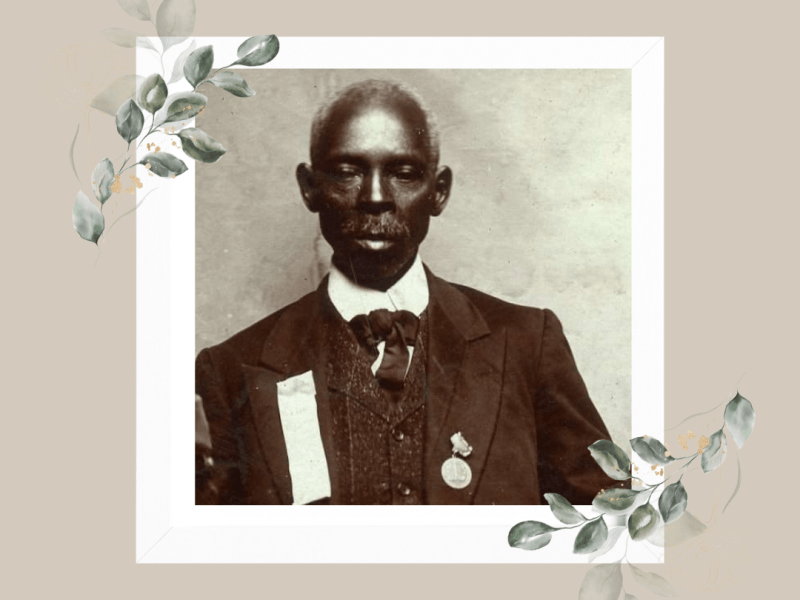
– Formerly enslaved/cook servant, commonly ———used on Black Confederate sites, Grandson, Nelson Winbush says he was a soldier, no evidence to support this 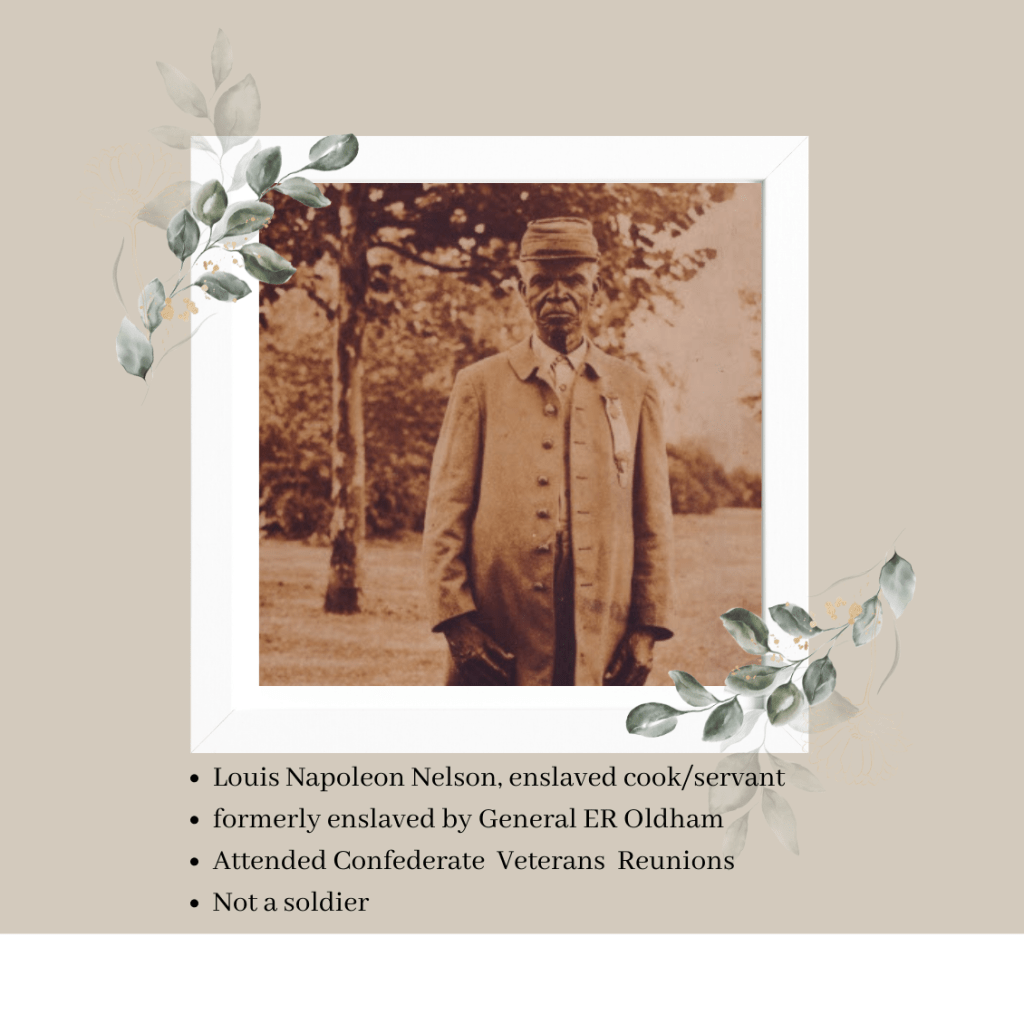
– Formerly enslaved/cook servant, commonly ———used on Black Confederate sites, Grandson, Nelson Winbush says he was a soldier, —- no evidence to support this 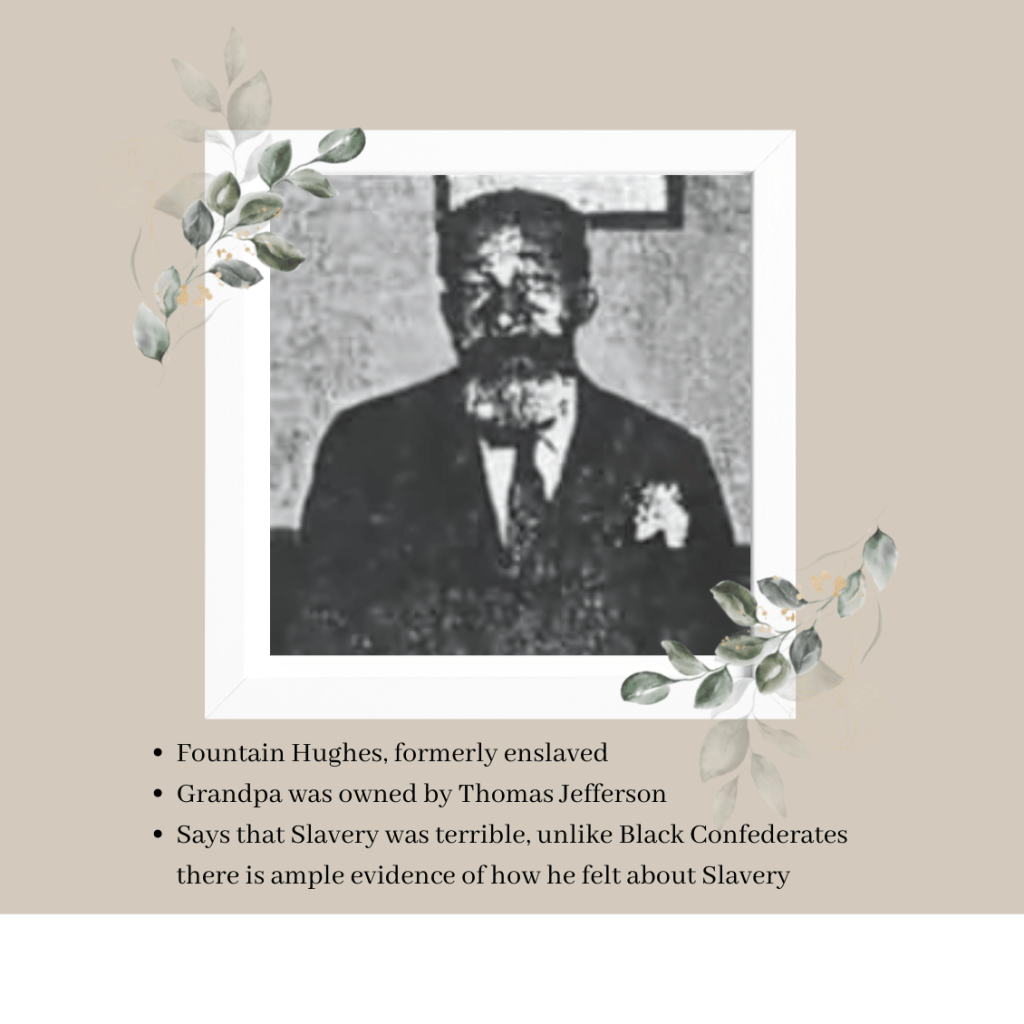
—Enslaved during the Civil War —Often misidentified on Black Confederate sites Calls out slavery and yankees in this interview 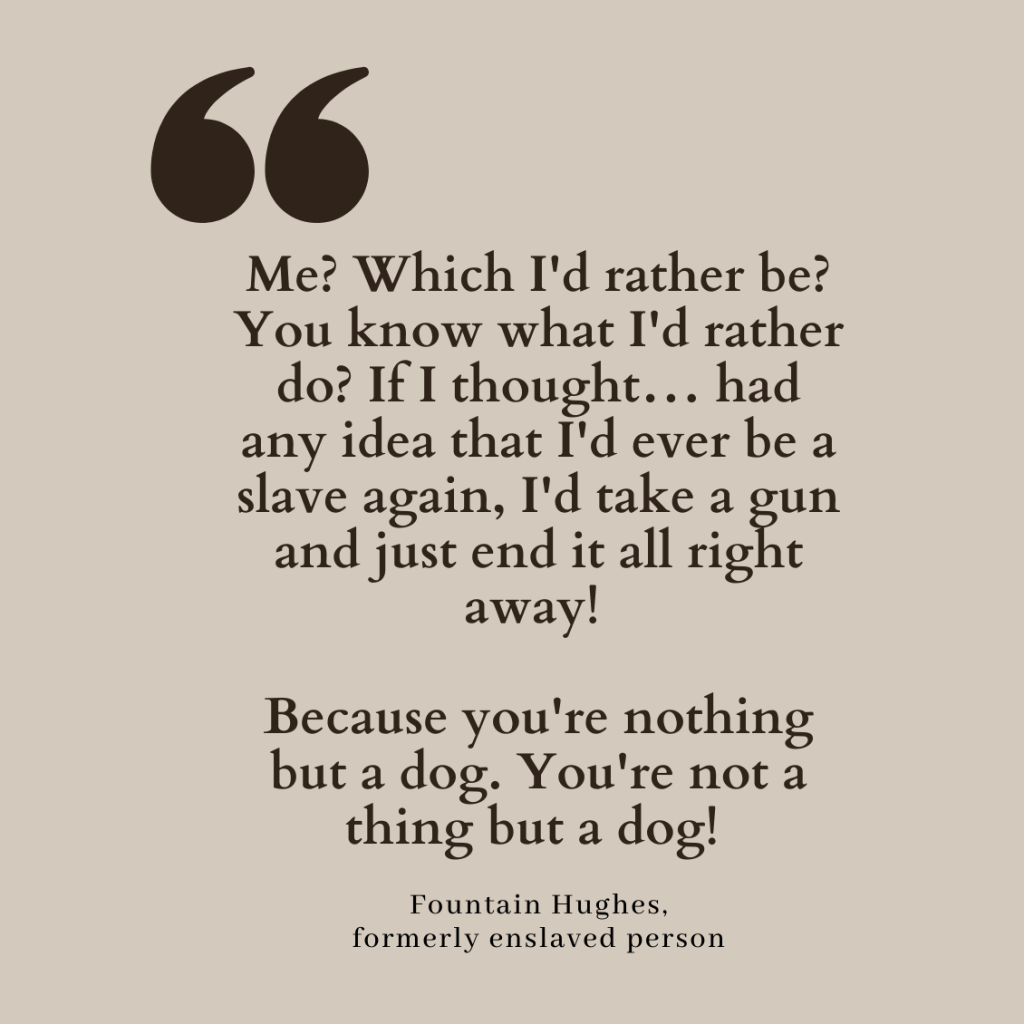
Fountain Hughes – Video: Found Voices: Slave Narratives, Nightline
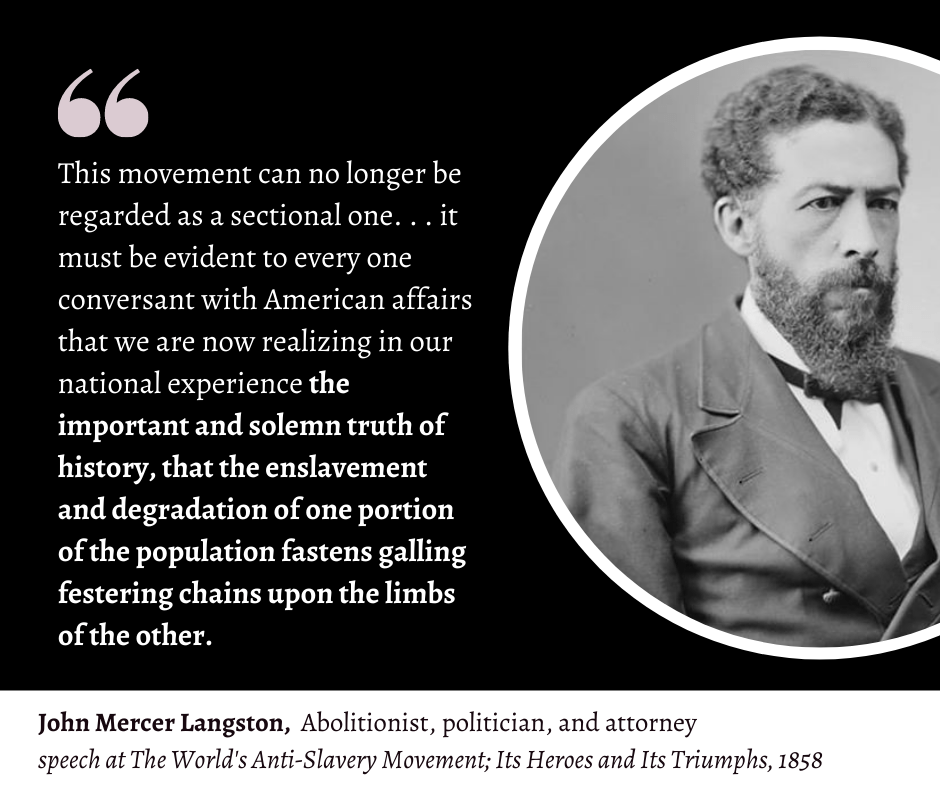
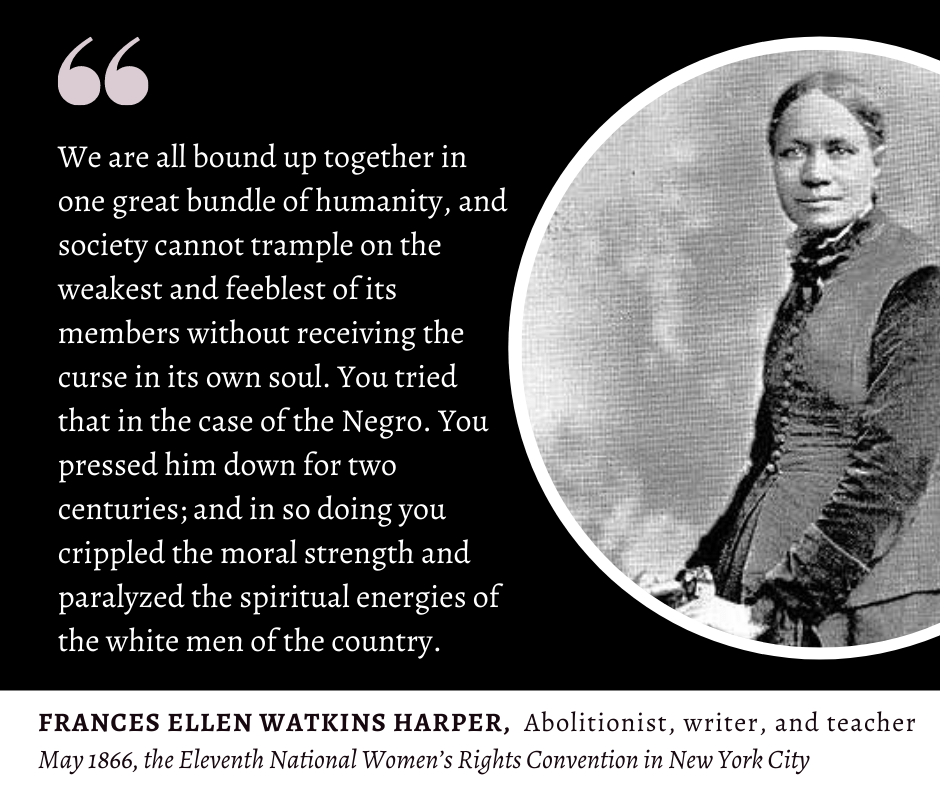
But when I read Confederate politicians, common white Southerners and newspaper articles of the time it’s pretty hard to deny that slavery advocates thought white people were superior and believed that gave them dominion over black people and other inferior races were impolite and offensive by today’s standards and also the standards of outspoken black activists at the time.
I have thought in dark moments, from reading about the War of Northern Aggression, the black slave was freed, but in turn Southern whites were shackled with the chains of preserving the Confederacy.
Even though the Confederate government never recognized these men as soldiers, it’s our heritage to rewrite their histories, to own their legacies, pictures, and stories even in death. We’re just following in the footsteps of Southron greatness.
And now a tribute to one of the Saints of the Confederacy, General Robert Lee
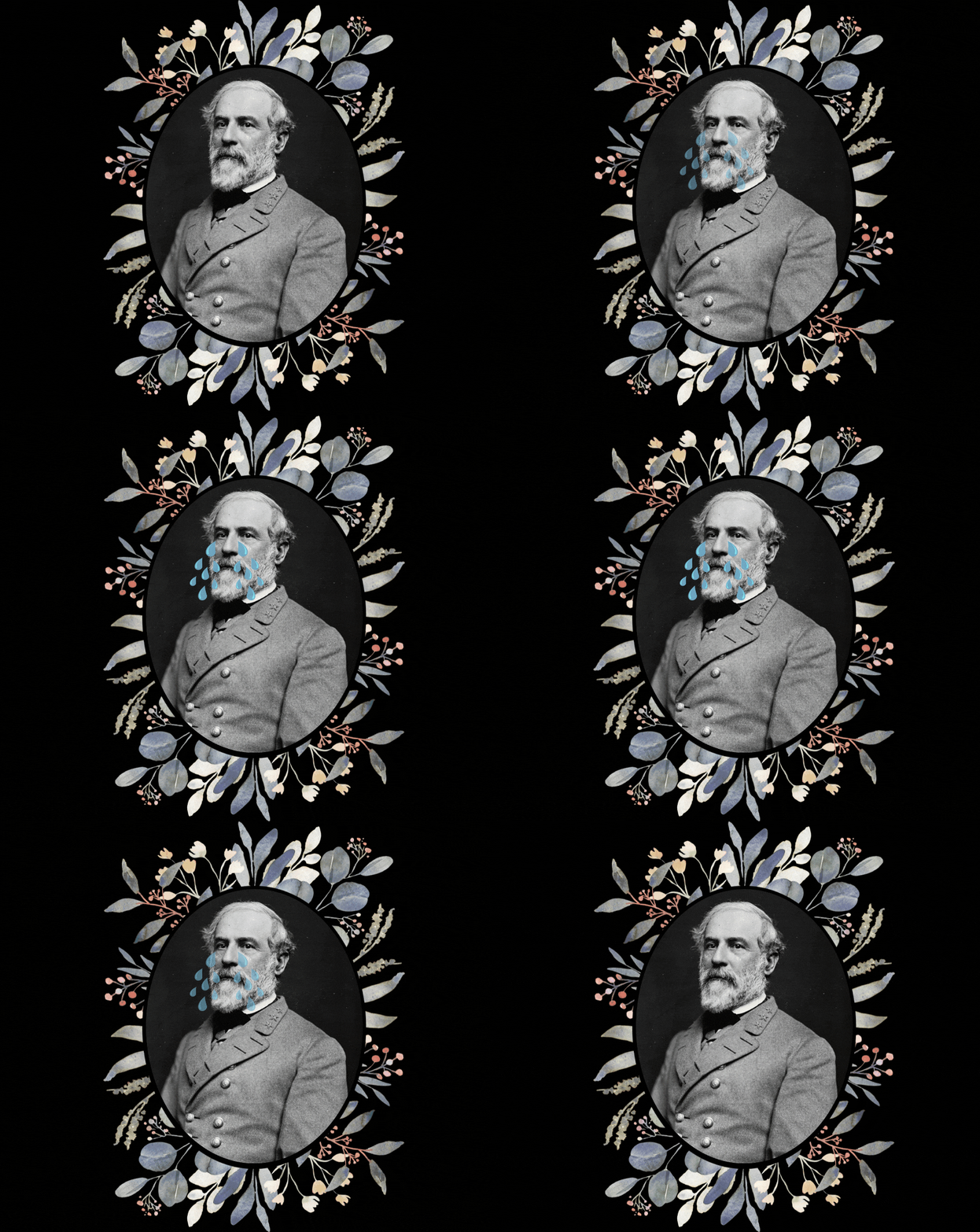
Robert E. Lee was born in 1807 and fought valiantly for states’ rights which allowed enslavers to continue human bondage in the Confederate States of America.
Unmolested by ideals of human rights for enslaved Africans, he was not a white supremacist as modern historians and contemporary blacks would claim. He simply believed that blacks were unintelligent and inferior as a race when compared to whites.
A bright and shining star. A symbol of our Confederate suffering. read more
A constellation of Resistance
 It's about Heritage!